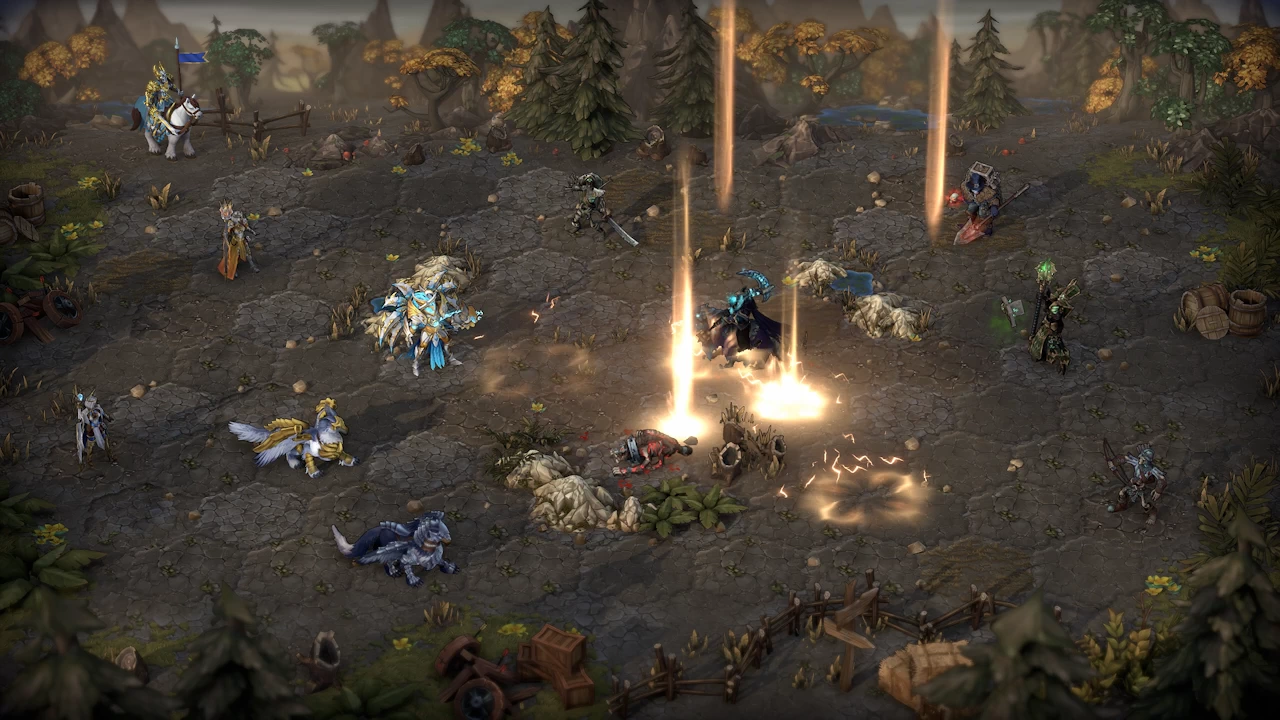
The non-magic half of the game: how you move, who you fight with,
and how each round of combat plays out. Most early losses come from skipping these.
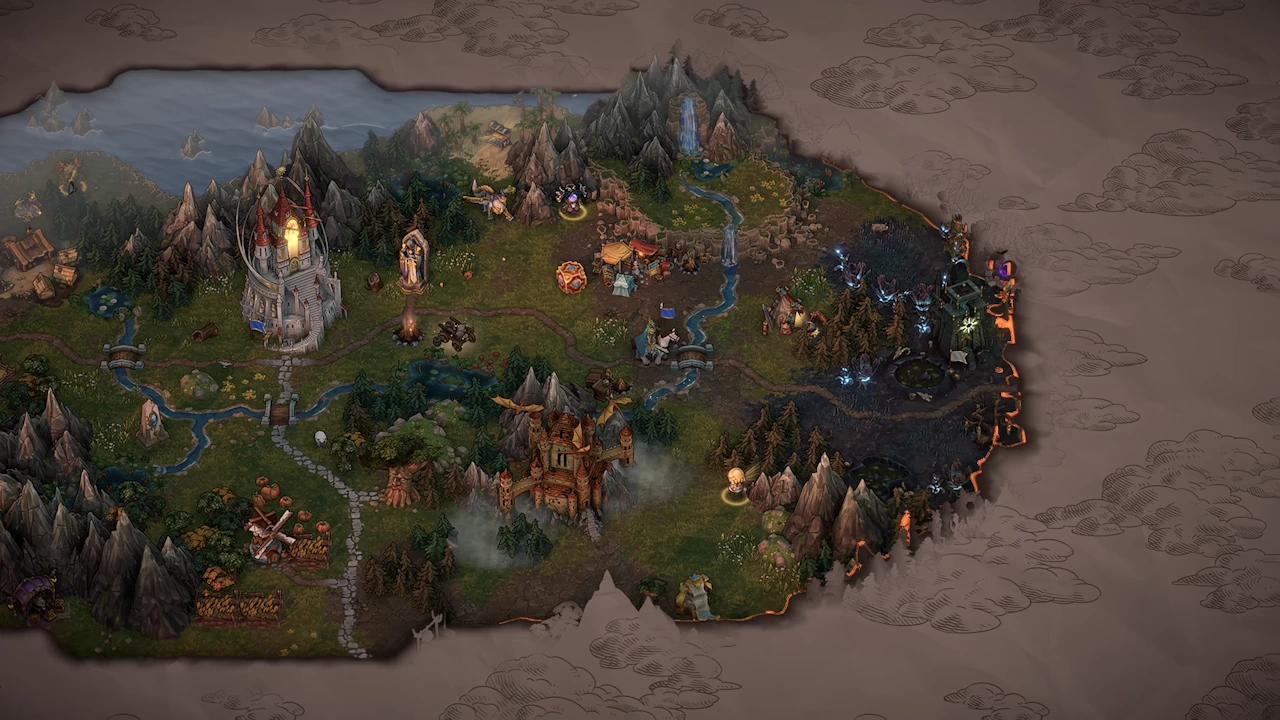
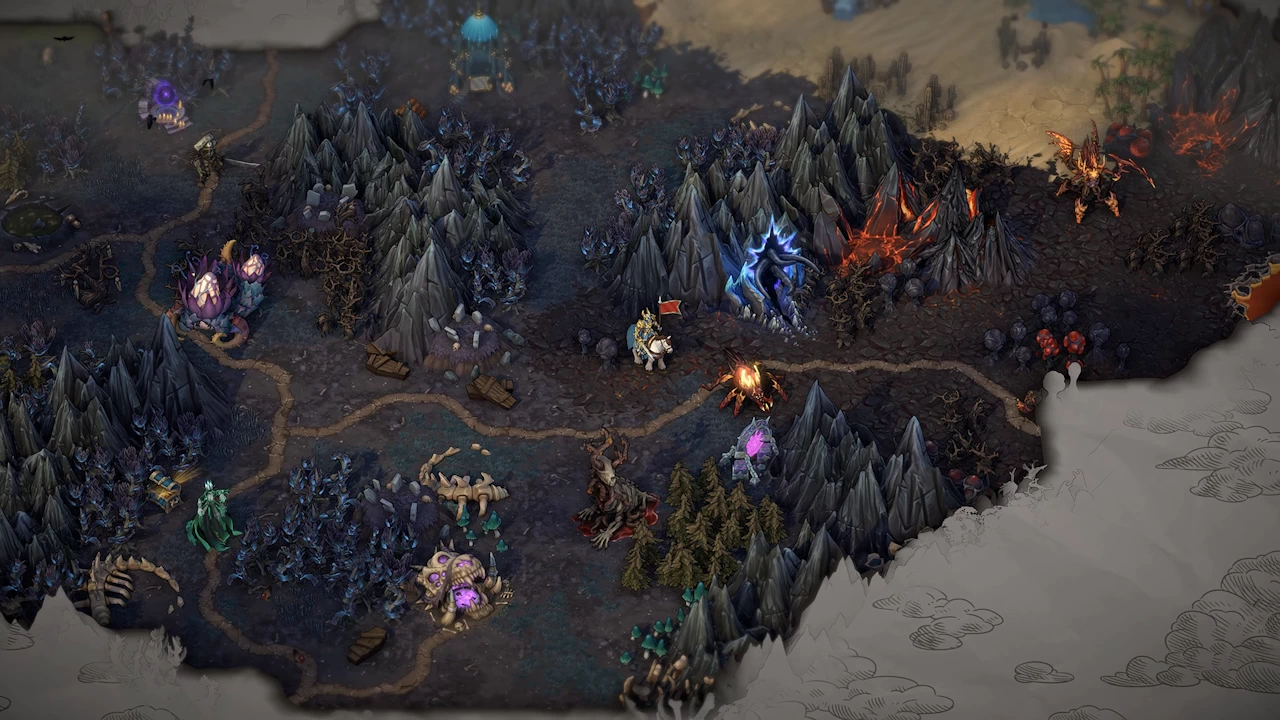
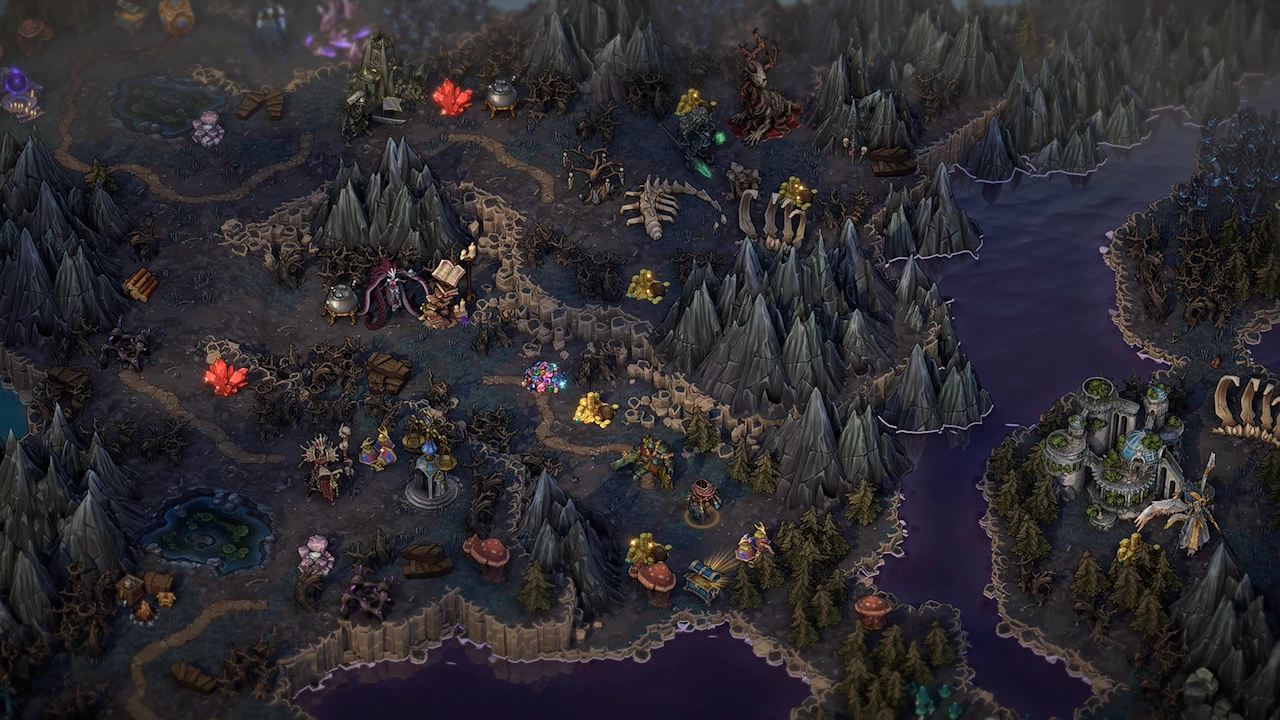
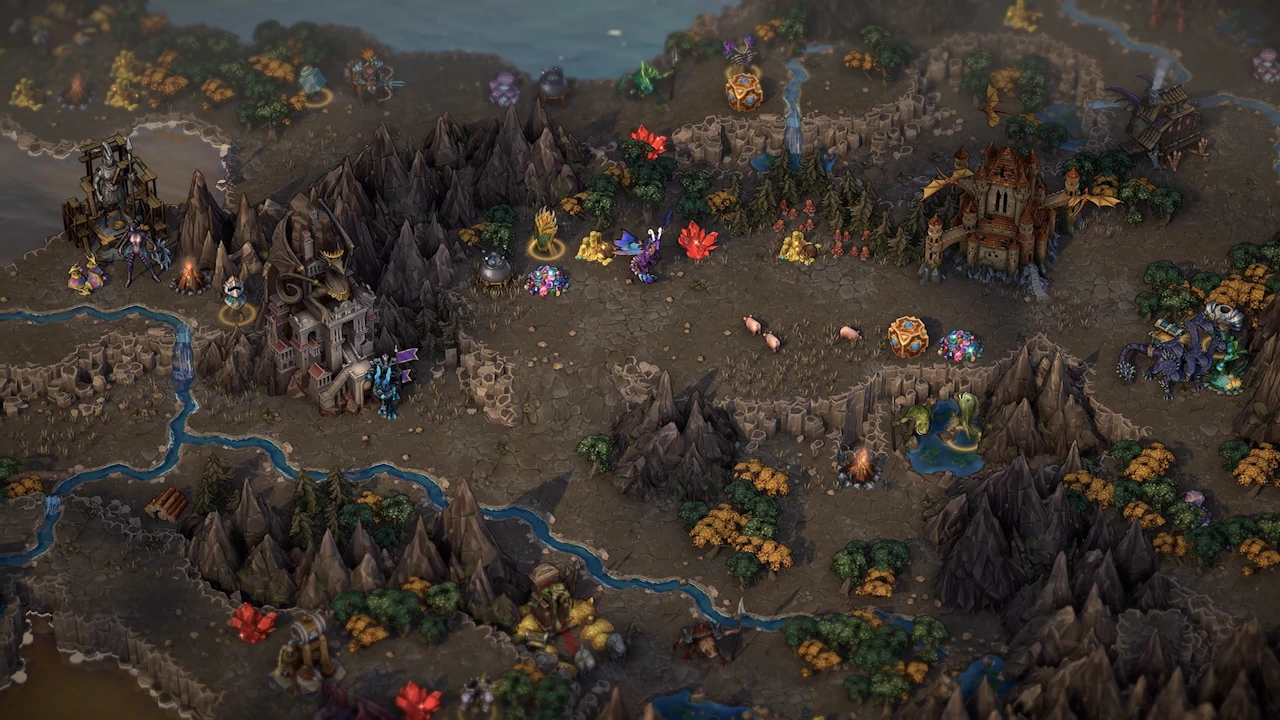
Use ALTHold ALT when scanning the adventure
map. It highlights visitable objects, pickups, and missed interactables that cost new
players whole days.
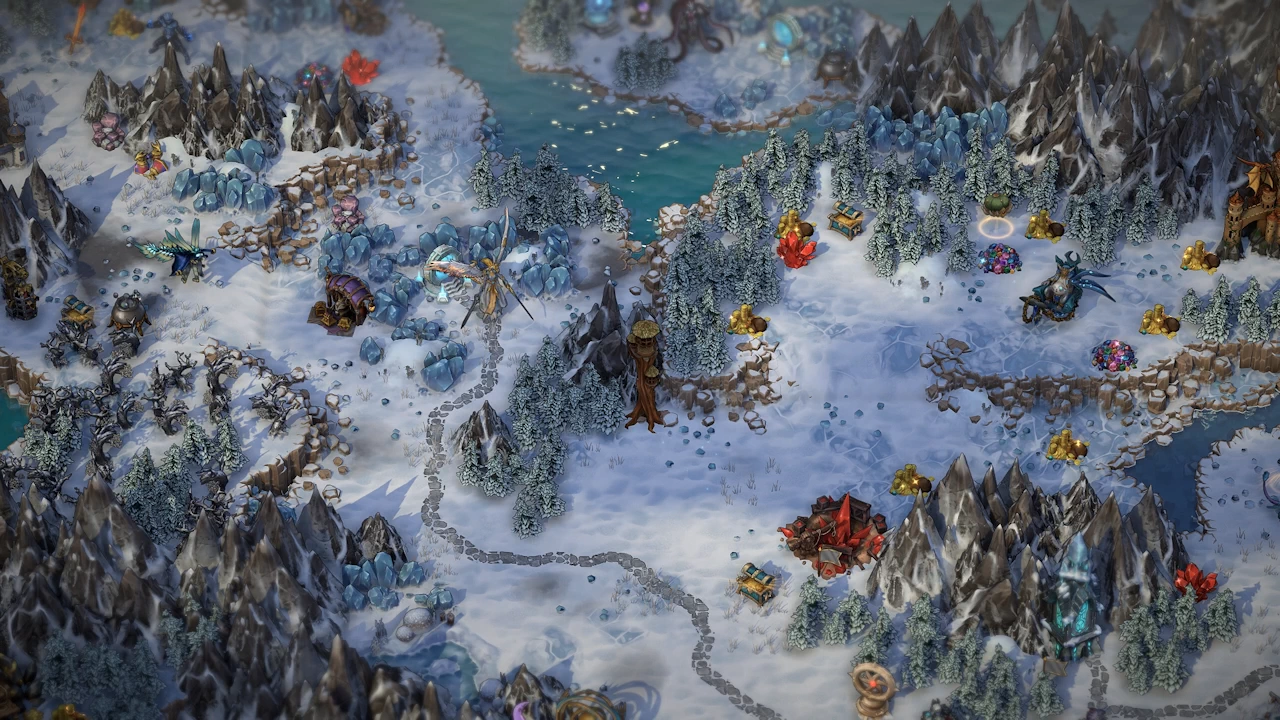
Route CostMovement range is not just the blue
bar. Roads cut travel cost, deserts are punishing, and native
terrain can make the same route much cheaper.
Army TerrainA hero can avoid terrain
penalties if the army includes a unit whose faction is native to that terrain. A
single matching stack can save more time than a bigger army.
Road DisciplineDo not wander in straight
lines if a nearby road reaches the same area. The road detour is often faster than
cutting across rough ground.
Two HeroesRun a combat carry and a scout from
day one. The scout flags mines, grabs piles, and hands artifacts to the carry on
contact, so your main hero never wastes a day moving sideways.
Move LastMove your main hero last each day,
after scouts have revealed fog and pickups. The reveal often turns a planned route
into a better one and prevents walking blind into a guard you could have skipped.
Scout RolesCheck hero specializations before
leveling blindly. Some heroes are better as scouts, resource collectors, or delivery
runners than main fighters.
Chain HandoffTwo heroes meeting on the same
tile swap troops and artifacts in one click. Stage hero meetups along roads to extend
your effective movement without burning a Logistics slot.
Flag EarlyMines pay from the next dawn after
flagging, so a mine flagged on day 7 is almost a wasted week. Flag on day 1 and you
bank the full seven days of yield.
Garrison BaitA token stack in a flagged town
is not just defense, it stalls invading heroes for a turn and forces a siege you can
answer. One cheap stack in a back town has saved more weeks than any combat
upgrade.
Chest ChoiceEarly on, gold from treasure
chests is often stronger than experience because it turns into buildings, weekly
growth, and recruits.
Build GrowthWeek-one creature buildings
matter more than fancy upgrades. A new dwelling gives an immediate growth stack and
keeps producing every week.
Upgrade LaterBase stacks first, upgrades
after you have bodies. Upgrading five units is rarely better than recruiting enough
troops to clear one more guard.
Two UpgradesFaction units can have two
upgrade branches. Visit a town with the upgrade building to switch, and keep both
versions when their abilities solve different fights.
Rare ResourceKnow your faction's key rare
resource before spending. Top tier units and key buildings can bottleneck on gems,
crystals, or mercury long before gold runs out.
Dust SharingAlchemical
Dust has no mine and is shared between unit upgrade buildings (which mostly
eat it past tier 1) and Observatory spell upgrades. Spend it on whichever side wins
the next big fight, never both.
Dust SalvageIf you run dry on Alchemical Dust,
dismantle artifacts you are not using. Duplicates, off-class pieces, and broken sets
are worth more as Dust for a fight-changing upgrade than sitting unused in a hero's
backpack.
MarketplaceBuild or use a marketplace to
unblock a critical build, but do not rely on bad trades as your economy plan. Secure
mines and pickups first.
Crystal OffersIf a neutral group asks for
crystals or another resource instead of attacking, treat it as a recruitment clue. In
campaign play, Kittenhorn squads are a classic example.
Mixed ArmiesCross-faction armies can lose
morale. If you mix troops for utility or terrain movement, offset it with
Leadership,
artifacts, or Laws.
Home GroundUnits gain an initiative edge on
their native terrain. A fight on the right ground can decide who acts first, shoots
first, or uses an ability first.
Tactics PhaseThe Tactics skill lets you
reposition before the fight starts: faster melee in front, blockers ahead of shooters,
flankers on the wings, all for zero turns. One rank of Tactics is often a free won
fight.
Initiative EdgeInitiative, not raw Speed,
decides the action order. A small Tactics or artifact bump that shuffles you ahead of
an enemy stack often matters more than ten extra points of damage.
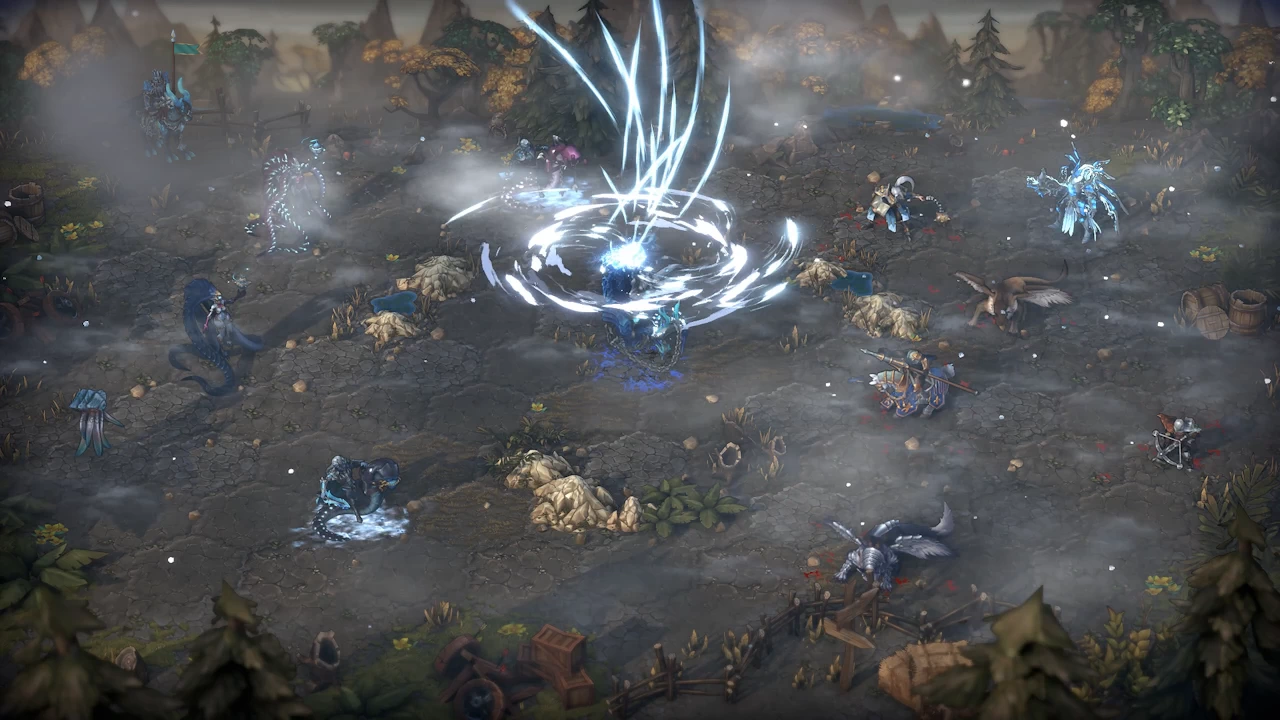
Retal RulesRetaliation only fires once per
round. Open with a throwaway stack to burn the retaliation, then hit with your real
damage dealer for a free full-damage swing.
Split StacksMost enemies counterattack once.
Split cheap units into tiny stacks to absorb retaliation, block shooters, or force
awkward enemy movement.
Wait, Then HitUse Wait with fast units
instead of rushing forward. Let enemies spend their turns, then strike late and act
early next round.
Defend BonusDefend is not a wasted turn. It
boosts the unit's Defense for the round and pushes its next turn slightly earlier in
the initiative bar, often better than a chip attack that just feeds counters.
Skip SafelySkip or defend with fragile stacks
when attacking only feeds counterattacks. Saving one stack can matter more than a
tiny damage roll.
Long ReachLong Reach attacks hit from one
hex away without provoking counterattacks. Use them to punish melee units while
staying out of their normal response.
Melee PenaltyMost ranged stacks deal reduced
damage when adjacent to an enemy, even when shooting at a different target. Always
check the damage tooltip before shooting from a contested hex; sometimes Wait or step
away first is more total damage.
Ranged RangeRanged units lose damage at
longer distances and become weak in melee. Move close enough to avoid harsh falloff,
but protect them from being tied up.
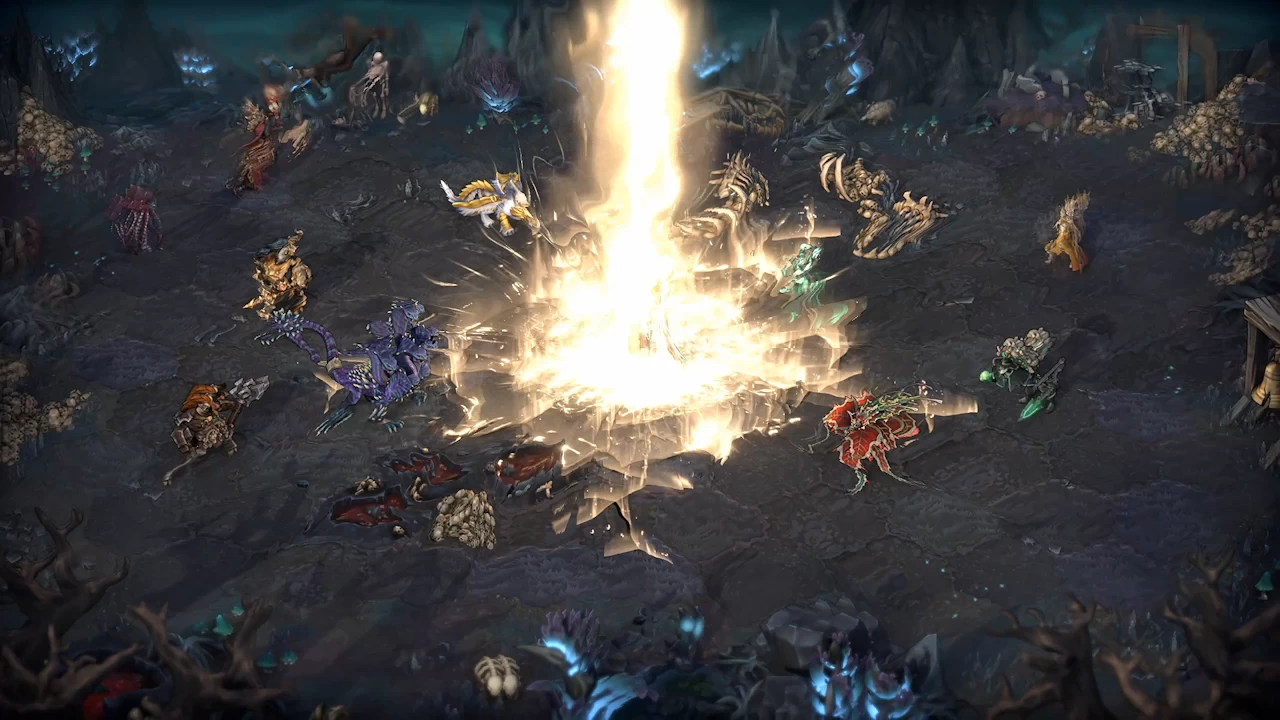
Focus TimingSpend Focus
when an active ability prevents losses, secures a kill, or changes positioning. Use
number hotkeys 1-0 to fire abilities quickly.
Focus FarmFocus generates from both dealing
and taking damage, so a fragile front stack you wrote off as bait can fund two extra
ability casts later. Plan which stacks are Focus batteries and which are Focus
spenders before round one.
Hero StatsAttack
and Defense scale army trades, and Armorer plus Defense compounds best on fat
front-line stacks. Artifacts can make even a low-level might hero suddenly
useful.
Laws FirstLaws are
faction progression, not flavor. Pick economy Laws when starved and combat Laws when
fights are costing troops.
Mode OrderCampaign or Classic
teaches the full loop, Arena
teaches fighting, and Single
Hero teaches risk once you know the basics.
Daily RuleEnd every day with more power: a
mine taken, a stack recruited, an object cleared, a road position gained, or a future
fight made cheaper.