Lore primer The story, with room to breathe

Welcome Back
to Azeroth

Everything a new or returning adventurer needs to understand the world of World of Warcraft: Forever. Twelve short chapters, about half the reading of the full research edition.

  • 12 chapters
  • About 32 minutes
  • Sourced chapter artwork
  • Updated 4 November 2026

Short on time? Start with chapters 1, 5 and 10. Add 6 for Skyborne and 7 for classes.

Historical spoilers appear throughout. Chapter 11 contains optional later-expansion spoilers. The main story stays in Forever's original era; new quest endings are left for you to discover.

Chapter 013 min read

Welcome to Azeroth: what the game is about
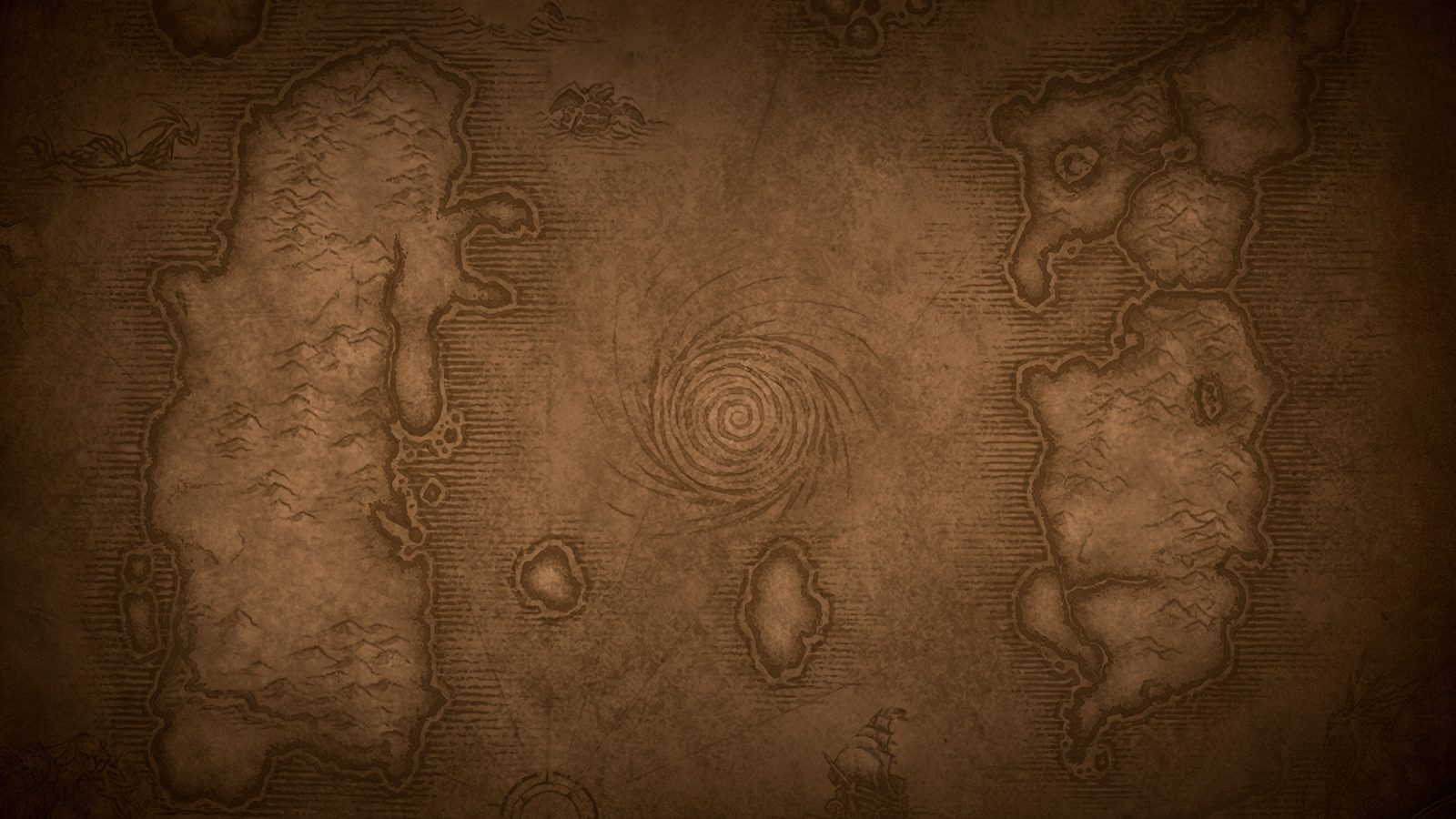
A parchment style map of Azeroth
Azeroth is the world shared by Warcraft’s peoples. Its divided continents and scattered settlements are the setting for your adventure. Image: Blizzard Entertainment source

Warcraft is a fantasy setting. Its early strategy games put you in charge of armies; World of Warcraft, or WoW, lets you become one adventurer in a world shared with other players. That world is Azeroth, home to humans, elves, orcs, dragons, inventors, and magical creatures.

You begin with local problems: missing supplies, dangerous roads, threatened farms. As you explore, those problems lead toward larger conflicts. The farmer needing help and the army confronting a world threatening enemy belong to the same story: people trying to preserve somewhere worth living.

Where Forever fits

World of Warcraft: Forever is a separate experience alongside Modern WoW and Classic. It expands the original level 1 to 60 world, after Warcraft III and the Forsaken Kingdom campaign, before the original Molten Core adventure. It revisits that period with new stories and places.

The announced launch is 5 November 2026 at 7 a.m. Hong Kong time, equivalent to 4 November at 23:00 UTC. A WoW subscription or game time grants access; the Skyborne race and its starting experience require a qualifying upgrade.

If you remember defeating Arthas, watching Deathwing break the world, or visiting the Dragon Isles, those adventures belong to later expansion history. They have not already happened to your new Forever character. Chapter 11 places those memories separately.

Three choices that mean different things

ChoiceWhat it meansFull list in Forever
FactionYour political coalitionAlliance or Horde
RaceYour people, culture, and ancestryHuman, dwarf, gnome, night elf, orc, tauren, Darkspear troll, Forsaken undead, or Skyborne
ClassYour combat abilities and vocationWarrior, paladin, hunter, rogue, priest, shaman, mage, warlock, or druid

Choose a faction, then a race available to it, then one of that race's classes. Not every race can choose every class. These are the full announced Forever combinations, including its new options.

Alliance choices

RaceClasses you can choose
HumanWarrior, paladin, hunter, rogue, priest, mage, warlock
DwarfWarrior, paladin, hunter, rogue, priest, shaman
GnomeWarrior, rogue, priest, mage, warlock
Night elfWarrior, hunter, rogue, priest, druid
High Order SkyborneWarrior, hunter, rogue, mage, druid

Horde choices

RaceClasses you can choose
OrcWarrior, hunter, rogue, shaman, mage, warlock
TaurenWarrior, hunter, shaman, druid
Darkspear trollWarrior, hunter, rogue, priest, shaman, mage, warlock
Forsaken undeadWarrior, paladin, rogue, priest, mage, warlock
Windshaper SkyborneWarrior, hunter, rogue, shaman, druid

There are two factions, nine races, and nine classes. Skyborne appears on both faction lists because one race has two faction choices. Skyborne access requires the Heroic Pack or a higher qualifying edition. Chapter 7 explains how each class plays.

A dwarf priest and a dwarf warrior share a cultural background but fight differently. A human enemy is not automatically an Alliance ally. A Skyborne character still chooses Alliance or Horde; Skyborne is a race, not a third faction.

The Alliance and Horde are coalitions of different peoples. Neither consists entirely of heroes or villains. Both defend communities, inherit old grievances, and contain leaders who make destructive choices. Choosing one gives you a perspective on the world, not a verdict on your own character.

The situation when you arrive

Three catastrophes explain the immediate background. Orc armies invaded from another planet. A plague then turned much of a human kingdom into an undead army. Finally, a demonic invasion nearly destroyed everyone.

Survivors cooperated to defeat that invasion, but victory did not rebuild their homes or resolve their disputes. Armies remain stretched, rulers have competing priorities, and old enemies survive. That creates room for adventurers to matter.

You start as someone willing to help, explore, seek fortune, or prove themselves. You do not need a complicated biography. Your travels, profession, and companions give your character an identity.

There is no single compulsory way to finish WoW. Some players pursue difficult battles; others enjoy stories, crafting, trading, exploration, or a regular evening with friends. Your growing power lets you attempt more ambitious goals, but the journey itself is part of the game.

Remember: You are entering the aftermath of great wars. The small quests show what those wars did to ordinary lives.

Sources for this chapter 5
  1. Blizzard: World of Warcraft: Forever Goes Live Globally November 4!
  2. Blizzard: Return to Azeroth in World of Warcraft: Forever
  3. Blizzard: Warcraft III: Reign of Chaos, official timeline chapter 4
  4. Blizzard: World of Warcraft: Forever Deep Dive Panel Recap
  5. Blizzard: Create the Hero You Want to Be in World of Warcraft: Forever
Chapter 022 min read

The ancient history behind the ruins

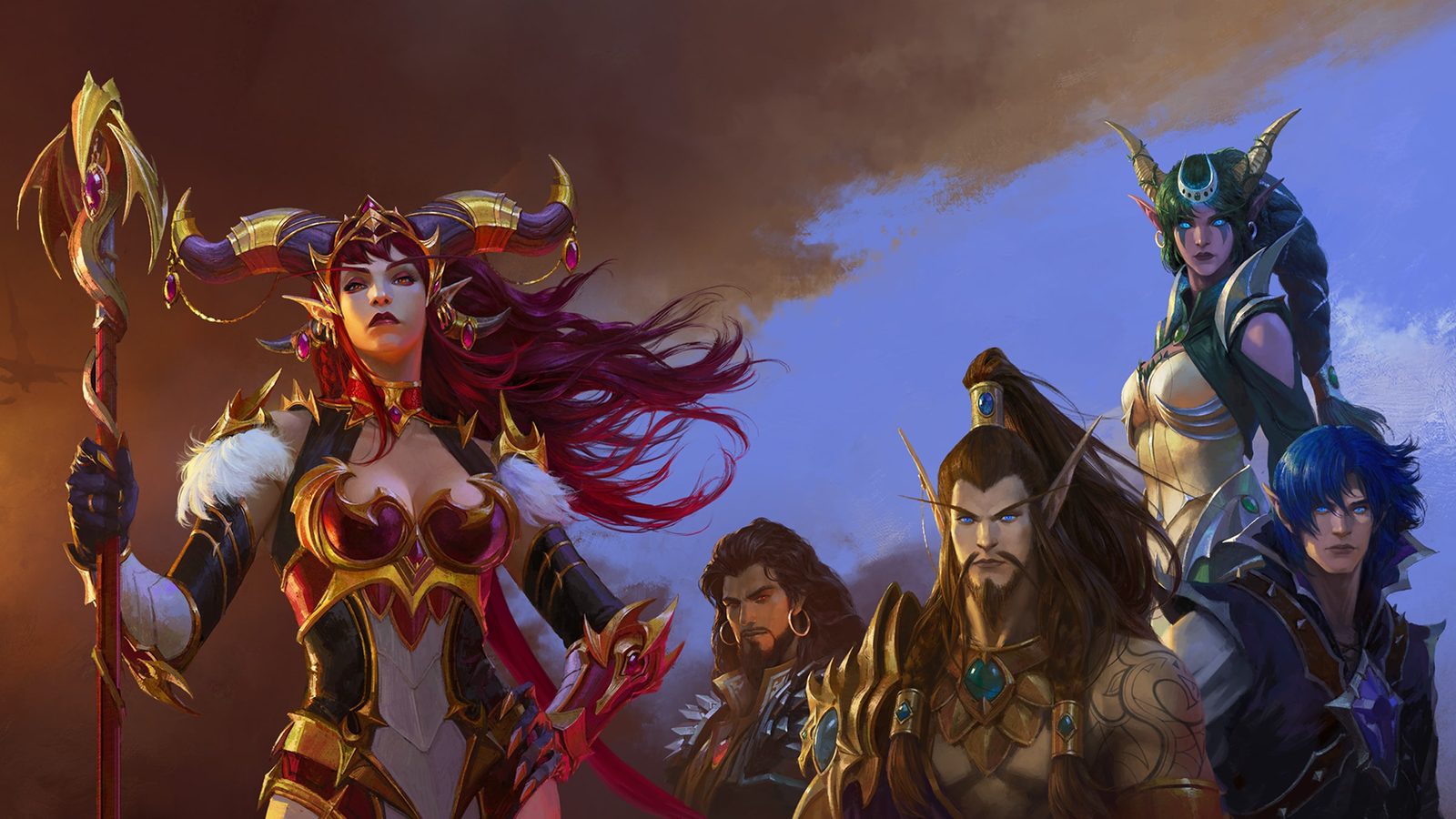
Dragon guardians portrayed in humanoid form
The dragon guardians in later Blizzard artwork. Their ancient responsibilities help explain the ruins and threats you encounter. Image: Blizzard Entertainment source

Azeroth was old long before humans and orcs began fighting. Its ruined temples, underground machines, and corrupted forests preserve earlier conflicts. Four ideas make most of that background understandable: titans, Old Gods, the ancient elves, and the Burning Legion.

The builders and the buried threats

The titans are immense cosmic beings associated with ordering worlds. Their servants shaped Azeroth and left guardians, vaults, and machinery. Some ruins are therefore ancient systems with a purpose, rather than abandoned castles.

The Old Gods are corrupting beings associated with the Void, a cosmic power. Embedded in Azeroth, they were imprisoned by titan forces. Their influence can still reach minds, dreams, and creatures beyond those prisons. Something buried can remain dangerous.

These are different kinds of power. A titan guardian may attack intruders while carrying out its protective instructions. An Old God may corrupt that guardian or persuade someone to release what it protects.

The elven disaster

Ancient night elves built an empire around the Well of Eternity, an extraordinary source of magic. Queen Azshara ruled; privileged magic users called the Highborne formed her elite.

Their pursuit of power brought the Burning Legion, a demonic invading force, into Azeroth. Azshara and her inner circle helped the invasion. Other elves resisted, beginning the War of the Ancients.

Three names matter. Malfurion Stormrage followed nature and became a great druid. Tyrande Whisperwind served the moon goddess Elune. Illidan Stormrage, Malfurion's brother, sought powerful magic and accepted methods his allies considered dangerous.

The war ended with the Well's collapse and the Great Sundering, a catastrophe that broke the old landmass apart. The ocean separating today's familiar continents reflects that destruction.

Afterward, much of night elf society turned toward nature and away from the arcane practices associated with the disaster. Other elves kept pursuing magic. Their different choices explain the later divisions among elven peoples.

Dragons and their responsibilities

The great dragon families are dragonflights. Their empowered leaders, the Aspects, were guardians of different parts of the world.

FlightOriginal guardianResponsibility
RedAlexstraszaLife
GreenYseraNature and the Emerald Dream
BronzeNozdormuTime
BlueMalygosMagic
BlackNeltharionEarth

Neltharion became corrupted and took the name Deathwing. His betrayal helps explain the danger posed by black dragons in the original era. His children, Onyxia and Nefarian, become major enemies. Dragons can assume humanoid forms, allowing them to influence societies without appearing as enormous winged creatures.

The Emerald Dream is a magical realm connected with nature. Its corruption is called the Emerald Nightmare. Neither is an ordinary island on the map.

Why you need this background

A dwarven excavation may uncover clues to the world's construction. An elven ruin may preserve a disastrous bargain for magical power. A sick forest may be suffering from something beyond ordinary disease.

You do not need the entire cosmic family tree. Ask what a place was built for, what damaged it, and whether that danger still exists. Those questions turn a collection of unfamiliar ruins into a history you can follow.

Sources for this chapter 6
  1. Warcraft Wiki: Old God
  2. Warcraft Wiki, preserving Blizzard history: War of the Ancients, original WoW account
  3. Warcraft Wiki, preserving Blizzard encyclopedia: The Warcraft Encyclopedia: Azshara
  4. Warcraft Wiki: High elf
  5. Warcraft Wiki: Dragon Aspects
  6. Blizzard: The Story So Far: Take Wing Through Time with the Dragon Aspects

Chapter 032 min read

The orc wars and Arthas's fall

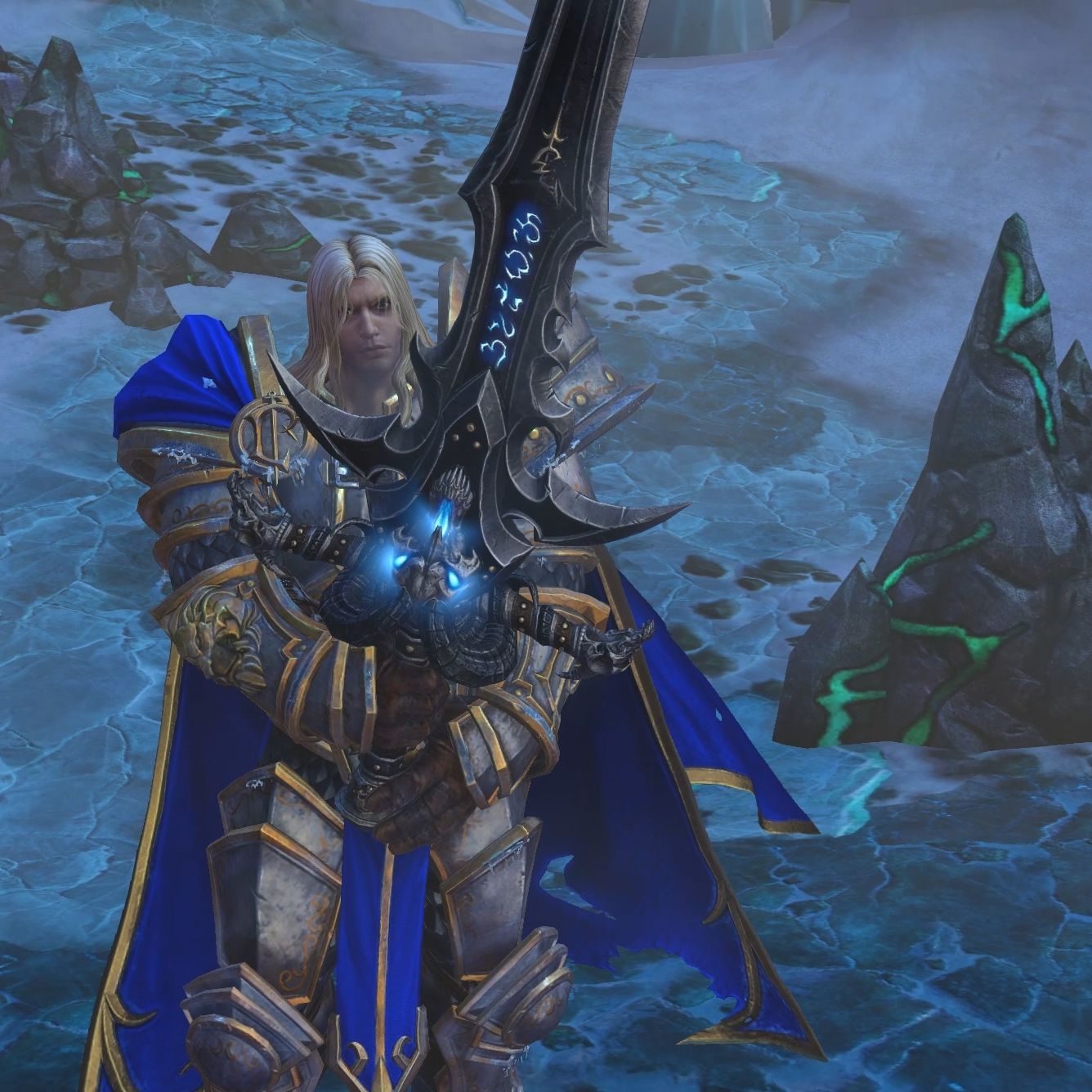
Arthas holding the cursed sword Frostmourne in Warcraft III: Reforged
Arthas with Frostmourne. His pursuit of this sword turns the prince into the enemy of the people he hoped to protect. Image: Blizzard Entertainment source

The orcs originally came from Draenor, another planet. They lived in clans, with shamans following elemental and ancestral traditions. The destructive Horde that invaded Azeroth was not their only possible identity.

How the invasion began

The Legion's Kil'jaeden manipulated the orcs, with the ambitious orc Gul'dan central to their corruption. Many drank the demon Mannoroth's blood, gaining strength under a destructive influence. Their victims included the draenei, refugees living on Draenor.

On Azeroth, the mage Medivh was possessed by Sargeras, the fallen titan behind the Legion. Medivh and Gul'dan enabled the Dark Portal, connecting the two worlds.

During the First War, invading orcs destroyed the human kingdom of Stormwind. King Llane Wrynn was assassinated by Garona. The warrior Anduin Lothar led survivors north to another human kingdom, Lordaeron.

During the Second War, human nations joined dwarves, gnomes, and high elves in the Alliance of Lordaeron. The Horde, led by Orgrim Doomhammer, expanded its campaign. Lothar died, but Turalyon continued the fight. The Alliance won, the portal was destroyed on Azeroth's side, and many defeated orcs were confined in camps.

Stormwind rebuilt. Humans remembered invasion; orcs remembered defeat and captivity. These experiences shaped the next generation's distrust.

From Draenor to the Lich King

The orc Ner'zhul later opened additional portals on Draenor. The resulting catastrophe tore the planet apart. Outland is what remained of that original world.

Kil'jaeden captured Ner'zhul and transformed his imprisoned spirit into the Lich King, intended to prepare Azeroth for another Legion invasion. The Lich King therefore existed before Arthas became part of the story.

The prince who tried to save everyone

Arthas Menethil was Lordaeron's prince, son of King Terenas. His mentor Uther trained him as a paladin, a warrior using the Holy Light. The mage Jaina Proudmoore was his friend and former romantic partner.

A plague spread through contaminated grain, turning victims into the undead Scourge. The necromancer Kel'Thuzad and his Cult of the Damned helped distribute it. Every community lost could become another enemy army.

At Stratholme, Arthas discovered the population had received infected grain. He ordered everyone killed before they could turn. Uther refused; Jaina left. Arthas proceeded, breaking with people who might have restrained him.

He pursued the demon Mal'Ganis to Northrend, Azeroth's frozen northern continent. There he took Frostmourne, a cursed sword that granted power while taking his soul and bringing him under the Lich King's influence.

Arthas returned as a death knight, an undead warrior, and murdered his father. The prince sworn to protect Lordaeron became its destroyer.

Why the elves and demons enter the same story

Arthas attacked Quel'Thalas, the high elf kingdom, using its magical Sunwell to resurrect Kel'Thuzad as a lich, an undead spellcaster. He killed the ranger leader Sylvanas Windrunner and raised her as an enslaved banshee. Surviving elves later adopted the name blood elves in remembrance of their dead.

The Scourge next attacked Dalaran, the city of mages. Kel'Thuzad summoned the Legion commander Archimonde. The plague had prepared the way for a demonic invasion.

Remember: Stormwind and Lordaeron are different kingdoms. Arthas destroyed Lordaeron; the ruined northern lands and many undead quests are consequences of that tragedy.

Sources for this chapter 10
  1. Blizzard: Warcraft III: Reign of Chaos, official timeline chapter 4
  2. Blizzard: The Library: Rise of the Horde
  3. Blizzard: Warcraft: Orcs & Humans, official timeline chapter 1
  4. Warcraft Wiki: First War
  5. Blizzard: Warcraft II: Tides of Darkness, official timeline chapter 2
  6. Warcraft Wiki: Second War
  7. Warcraft Wiki: Ner'zhul
  8. Warcraft Wiki: Arthas Menethil
  9. Warcraft Wiki: Culling of Stratholme
  10. Warcraft Wiki: Scourge invasion of Quel'Thalas

Chapter 043 min read

The new Horde, the uneasy peace, and the Forsaken

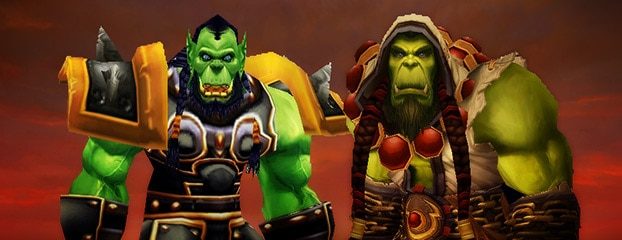
Thrall in his early warchief armour at left and later shaman clothing at right
Both figures are Thrall. The armoured warchief on the left is the leader discussed here; the right shows his later appearance. Image: Blizzard Entertainment source

Why this chapter matters: It explains three things you see when you start playing: why orcs, trolls, and tauren are allies; why the Horde and Alliance still fight; and why an undead character can fight against the undead army.

Chapter 3 ended with Arthas devastating Lordaeron and helping demons invade Azeroth. This chapter follows the survivors as they seek homes and protection.

1. Thrall turns the Horde into a home for survivors

Thrall is the orc leader trying to give his people a future after demonic control and human captivity. He wants them to build a society, rather than remain the invading army described in Chapter 3.

He leads his followers across the sea to Kalimdor, the western continent. Along the way, the orcs help the Darkspear trolls and the tauren, two other peoples struggling to survive. That help becomes friendship, then an alliance: the foundation of the playable Horde.

The orcs also escape the demonic blood curse described in Chapter 3. Freedom lets them build a different future, but does not erase the damage of the old wars.

Thrall's people settle in Durotar and build Orgrimmar, their capital. When you see orcs, trolls, and tauren sharing settlements and defending one another, this history explains why they belong together.

2. Saving the world together does not create lasting peace

The demons threaten everyone, so former enemies cooperate. Jaina is a human mage protecting refugees; she works with Thrall and the night elves to resist the invasion.

At Mount Hyjal, their armies buy enough time for the night elves to unleash the World Tree's power against the demon commander. Together, they save Azeroth. You do not need to memorize every commander to understand the result: cooperation works when the alternative is everyone's destruction.

Afterward, the same peoples still need land, food, and timber. Orc logging threatens forests the night elves consider their home. Humans remember the earlier invasions; orcs remember imprisonment. Jaina's father even attacks the new Horde, believing it can never be trusted. Jaina opposes him, and he dies in the conflict.

This explains the world you enter: some leaders want peace, but old wounds and immediate needs keep producing local wars. A battle over an Ashenvale lumber camp is part of that struggle.

3. Sylvanas gives the freed undead somewhere to belong

Remember Sylvanas, the elven defender whom Arthas killed and forced to serve him? When the Lich King's control weakens, she and other undead regain their free will.

They call themselves the Forsaken. They are still undead, but they can now make their own choices. Many remember their former lives and families; many living people nevertheless see them only as monsters.

Sylvanas becomes their leader. They establish Undercity beneath ruined Lordaeron and join the Horde for protection and political support. This alliance is more uneasy than the friendship between Thrall's founding peoples.

This is why a playable undead character fights zombies: the Forsaken want to remain free, while the Scourge is the undead army controlled by the Lich King. The two are enemies. Being a victim does not make every Forsaken action good; their leaders also pursue vengeance and ruthless experiments.

What you need to carry into the game

What you encounterWhat this history explains
Several peoples sharing the Horde bannerThey found protection through helping one another
Cooperation followed by faction fightingA shared enemy did not settle disputes over land or erase old losses
Friendly undead and hostile undeadThe Forsaken are an independent society; the Scourge remains an enemy army

One threat remains unresolved: Arthas survives and joins with the Lich King in Northrend. The demon invasion has been defeated, but the Scourge has not. That is why ruined towns and undead attacks still need your attention.

The Forsaken Kingdom campaign expands this background. For your first adventure, the three connections above are enough.

Sources for this chapter 13
  1. Blizzard: Thrall: Then and Now
  2. Warcraft Wiki: Darkspear tribe
  3. Warcraft Wiki: Cairne Bloodhoof
  4. Warcraft Wiki: Warsong clan
  5. Warcraft Wiki: Battle of Mount Hyjal
  6. Blizzard: Original World of Warcraft game manual
  7. Warcraft Wiki: Invasion of Durotar
  8. Warcraft Wiki, preserving Blizzard character guide: The Characters of Warcraft: Illidan Stormrage
  9. Blizzard: Burning Crusade Classic: The Story So Far
  10. Blizzard: Warcraft III: The Frozen Throne, official timeline chapter 5
  11. Blizzard: Warcraft: Sylvanas
  12. Blizzard: Dark Mirror, short story
  13. Blizzard: Warcraft III Reforged: Forsaken Kingdom What's Next Panel Recap

Chapter 052 min read

Alliance and Horde: whose home are you defending?

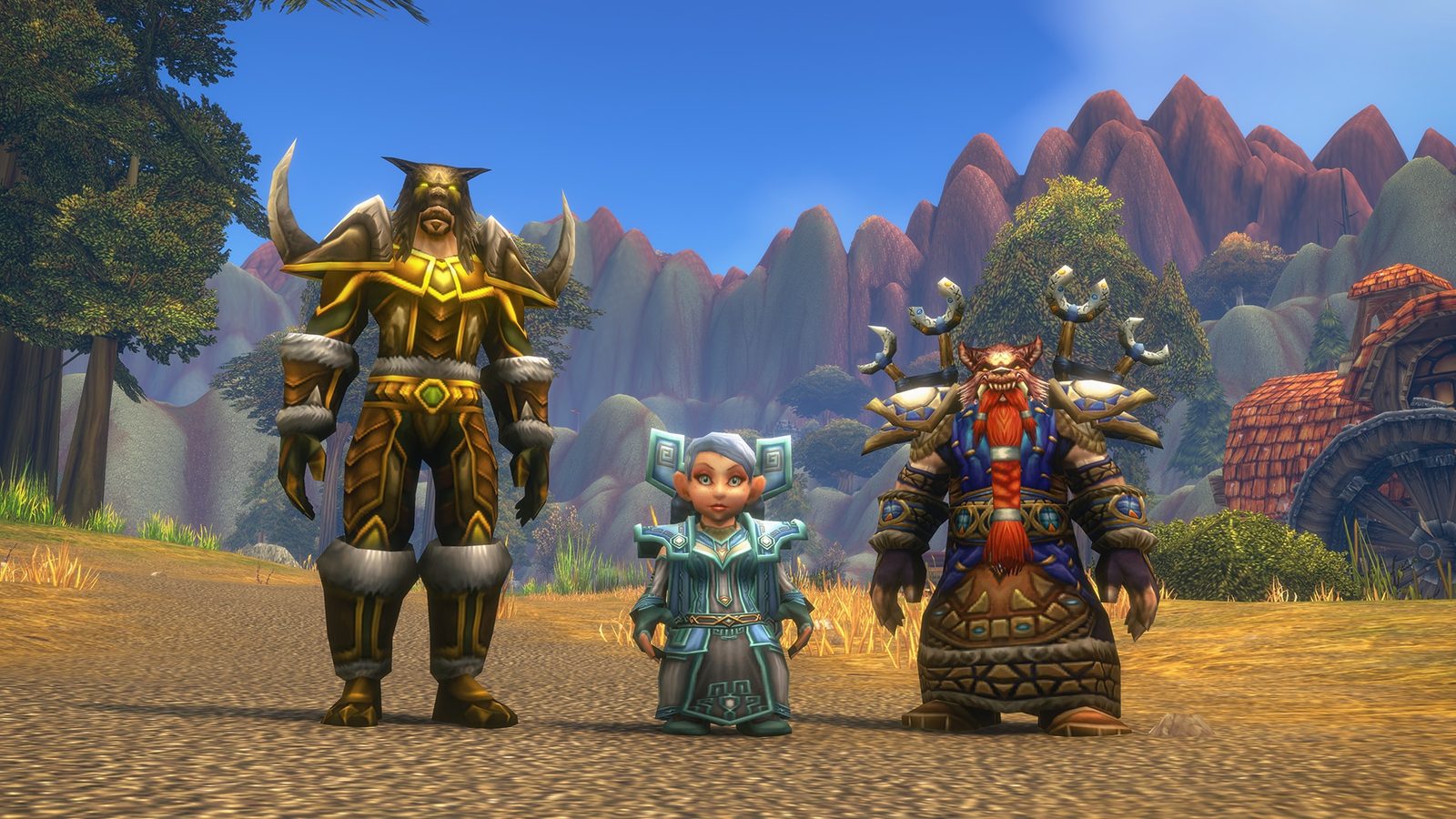
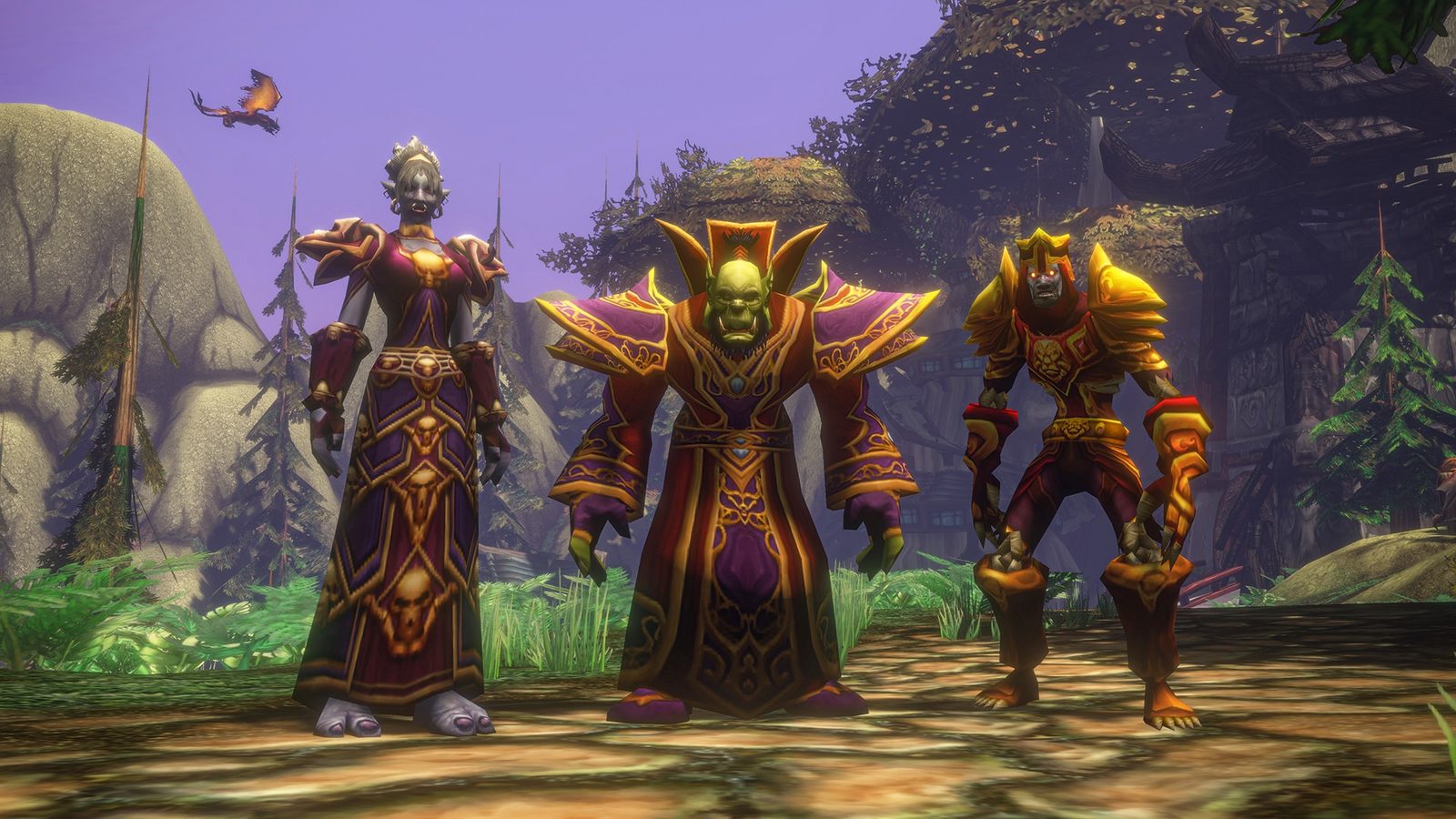
Alliance adventurers shown in Blizzard’s Forever race and class guideHorde adventurers shown in Blizzard’s Forever race and class guide
Alliance adventurers first, Horde adventurers second. Race gives your character a background; class determines how they fight. Image: Blizzard Entertainment source

Your faction shapes your allies and your starting perspective. Your race adds a more personal reason to care. Neither coalition is one culture, and shared ancestry does not guarantee shared allegiance.

The Alliance

Humans principally belong to Stormwind in this era. Its rebuilt capital looks secure, but surrounding communities face poverty, banditry, and stretched defenses. King Varian Wrynn is missing in the classic opening situation. His young son Anduin Wrynn is supported by Bolvar Fordragon and the royal court. Helping farms and roads protects the kingdom's ability to survive.

Dwarves are associated with Ironforge, led by Magni Bronzebeard. They value craftsmanship, resilience, and discovering their origins. Their history includes the War of the Three Hammers between Bronzebeard, Wildhammer, and Dark Iron clans. Desperate Dark Iron magic summoned the Firelord Ragnaros and devastated the Blackrock region. Dwarven archaeology also reveals links to the titan associated earthen, making an excavation a search for identity.

Gnomes are inventors whose capital, Gnomeregan, was overrun by troggs. A disastrous use of radiation poisoned the city. Sicco Thermaplugg helped bring about the catastrophe and came to control its ruins. Survivors, led by Gelbin Mekkatorque, shelter with the dwarves. A gnome in Ironforge may be a refugee hoping to reclaim home.

Night elves, or kaldorei, protect nature and follow traditions associated with Elune and druidism. Tyrande is their priestly and political leader. With Malfurion absent in the Emerald Dream, Fandral Staghelm holds an influential druidic role. Their starting home is Teldrassil, the giant tree containing Darnassus. Teldrassil is different from Nordrassil at Mount Hyjal.

The Horde

Orcs want a future beyond demonic control and captivity. Their capital, Orgrimmar, honours Orgrim Doomhammer; Durotar honours Thrall's father, Durotan. Orc society values strength and honour while arguing over what those ideals require. Warlocks create particular tension because demonic magic is tied to the people's suffering.

Tauren live around Mulgore and Thunder Bluff. Their traditions emphasize the natural world, ancestors, and the Earth Mother. Cairne's friendship with Thrall arose from help against the centaur. A tauren can see protecting water, hunting grounds, and the community as one responsibility.

Darkspear trolls are one troll people among many. Led by Vol'jin, son of Sen'jin, they share a history of mutual aid with Thrall. The witch doctor Zalazane seized followers on the Echo Isles, causing further displacement. Their spiritual traditions involve powerful beings called loa. Other troll kingdoms and tribes have their own loyalties.

Forsaken defend their freedom and a place in a world that often rejects them. Their home is across the sea in ruined Lordaeron. Some try to protect their community; others pursue vengeance or cruel experiments. Their relationship with Thrall's Horde is more pragmatic than the friendship binding its founding peoples.

Choosing a perspective

Story that appeals to youPeople to consider
A troubled kingdom and its everyday defendersHumans
Craftsmanship and ancient mysteriesDwarves
Invention and reclaiming a lost homeGnomes
Nature and an ancient society adaptingNight elves
Escaping an inherited legacyOrcs
Community and the living landTauren
A displaced people rebuildingDarkspear trolls
Identity, freedom, and life after deathForsaken
An elven civilization choosing its futureSkyborne, on either faction

These are story suggestions, not performance rankings. If you plan to play with friends, agree on faction and ruleset before creating characters.

Sources for this chapter 12
  1. Blizzard: Thrall: Then and Now
  2. Warcraft Wiki: Darkspear tribe
  3. Warcraft Wiki: Cairne Bloodhoof
  4. Warcraft Wiki: Onyxia
  5. Blizzard: Taking Your First Steps in World of Warcraft Classic
  6. Warcraft Wiki: War of the Three Hammers
  7. Warcraft Wiki: Uldaman
  8. Warcraft Wiki: Gnomeregan
  9. Warcraft Wiki, preserving Blizzard character guide: The Characters of Warcraft: Tyrande Whisperwind
  10. Warcraft Wiki, preserving Blizzard encyclopedia: The Warcraft Encyclopedia: Fandral Staghelm
  11. Warcraft Wiki: Sen'jin Village
  12. Blizzard: Create the Hero You Want to Be in World of Warcraft: Forever
Chapter 062 min read

The elves, explained, including Skyborne

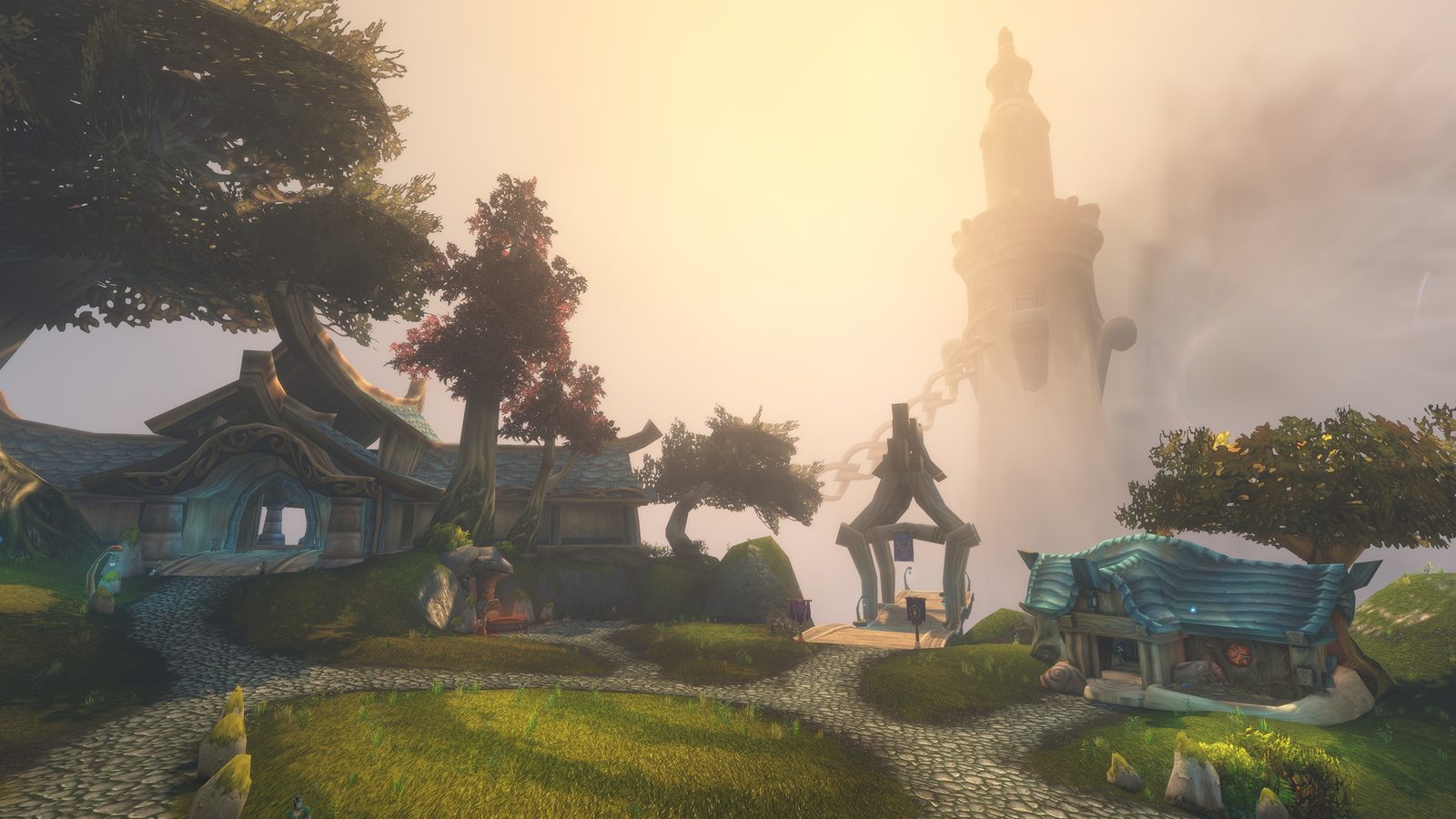
Skyborne architecture and a distant tower on Zephras Isle
Zephras Isle, the Skyborne starting setting. Its missing wind spirits give this new people a reason to seek help in Azeroth. Image: Blizzard Entertainment source

Elven names can describe ancestry, social status, or political identity. Most confusion disappears once you connect each community to what happened to its source of magic.

From Highborne to blood elves

The Highborne were ancient night elf society's privileged arcane practitioners. They were a social elite, not simply another name for every pale skinned elf. After the Sundering, different Highborne communities took different paths.

Exiles associated with Dath'Remar Sunstrider founded Quel'Thalas and created the Sunwell. Their people became the high elves, or quel'dorei. The Sunwell supported their magical life, so losing it threatened more than a building or national symbol.

After Arthas devastated Quel'Thalas, many survivors called themselves blood elves, or sin'dorei, to honour the dead. They are not undead, and their name does not mean they all practise blood magic. Kael'thas sought ways to sustain them after their loss.

Blood elves become a playable Horde people in the later Burning Crusade era. Their existence in earlier history does not place them on Forever's announced character roster.

The elves of Dire Maul

The Shen'dralar are an isolated Highborne community associated with Eldre'Thalas, now known as Dire Maul. Under Prince Tortheldrin, they sustained themselves using power from the captive demon Immol'thar. Their ruined city exposes the cost of preserving a civilization through dangerous dependency.

Shen'dralas is the name of a new Forever region linked to that history. The similar words refer to a people and a place respectively.

Who the Skyborne are

Forever's new playable Skyborne, or shen'dorei, descend from Highborne exiles who made a pact with wind spirits. They developed a civilization within Skywall, an elemental realm. You begin on Zephras Isle in a starting experience covering levels 1 to 12.

The air spirits that supported their society have vanished. Structures are failing and communities are becoming isolated. The Skyborne disagree about how to survive: restore their elemental relationship, or recover enough arcane knowledge to become less dependent on it.

At character creation, you choose a faction through one of those traditions.

Skyborne choiceAllegianceDirectionAvailable classes
WindshaperHordeElemental traditionsWarrior, hunter, rogue, druid, shaman
High OrderAllianceArcane inheritanceWarrior, hunter, rogue, druid, mage

Skyborne are a race available on both sides. They do not replace the choice between Horde and Alliance. Their race and Zephras Isle experience require the Skyborne Heroic Pack or a higher qualifying edition.

A translation you can keep nearby

NameMeaning
KaldoreiNight elves
HighborneAncient arcane elite and surviving communities
Quel'doreiHigh elves in this context
Sin'doreiBlood elves
Shen'dralarCommunity associated with Dire Maul
Shen'doreiSkyborne
Nightborne and void elvesDifferent communities introduced in later Modern WoW

The useful question is what a community lost and how it chose to survive. That explains its politics more clearly than appearance alone.

Sources for this chapter 7
  1. Blizzard: Return to Azeroth in World of Warcraft: Forever
  2. Warcraft Wiki: High elf
  3. Warcraft Wiki: Scourge invasion of Quel'Thalas
  4. Blizzard: Burning Crusade Classic: The Story So Far
  5. Blizzard: Create the Hero You Want to Be in World of Warcraft: Forever
  6. Warcraft Wiki: Shen'dralar
  7. Blizzard: WoW: Forever Meet the New Skyborne

Chapter 072 min read

Your map, your magic, and your class

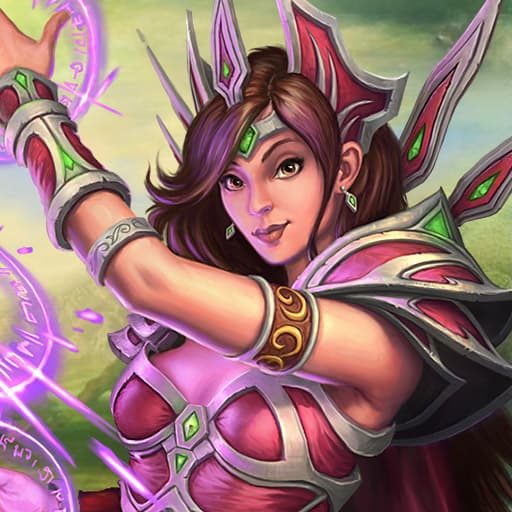
A mage surrounded by glowing arcane symbols in Blizzard class artwork
A mage channels arcane power. Your class defines your tools and abilities, while your race and faction describe your place in the world. Image: Blizzard Entertainment source

The original world centres on Kalimdor in the west and the Eastern Kingdoms in the east, separated by the Great Sea. Both contain friendly settlements, hostile territories, and ancient dangers.

Places with a reason to remember them

AreaWhat gives it meaning
Stormwind, Elwynn, WestfallHuman capital, its rural doorstep, and struggling farmland
Dun Morogh and Khaz ModanIronforge, Gnomeregan, and the dwarven heartland
Blackrock MountainRival elemental, dwarven, orc, and dragon powers
Tirisfal, Silverpine, PlaguelandsDifferent consequences of Lordaeron's collapse
Durotar, Mulgore, BarrensHorde homelands and the routes connecting them
AshenvaleNight elf forest threatened by resource expansion
Teldrassil and DarkshoreNight elf starting world and nearby coast
Dustwallow MarshTheramore and its uneasy relationship with the Horde
FeralasForests and the ruins of Dire Maul
Un'Goro and SilithusAncient mysteries and the threat behind Ahn'Qiraj's gates

Northrend is another continent on Azeroth. Draenor is another planet. Outland is that original planet's shattered remains. Magical realms such as Skywall and the Emerald Dream are different again.

Roads matter because they carry food, soldiers, refugees, and information. When a village loses its connection to a capital, adventurers may be the only help available.

What the magic means

Arcane magic is the studied power associated with mages. The Holy Light heals, protects, and attacks; using it does not guarantee sound judgment. Shadow involves dark mental and magical forces, often linked to the Void, but not every Shadow user serves an Old God.

Fel is associated with destructive demonic power. Nature magic concerns life, growth, animal forms, and the Emerald Dream. Elemental magic works with earth, air, fire, and water. Necromancy manipulates the dead. These distinctions explain why a druid, shaman, and warlock can all cast spells while following very different traditions.

The nine classes

ClassCharacter fantasyBroad group functions
WarriorWeapon specialistProtection or damage
PaladinArmoured champion of the LightProtection, healing, or melee damage
HunterRanged wilderness fighter with a petDamage and utility
RogueStealth, poisons, and disruptionDamage and control
PriestSpiritual protection or ShadowHealing or spell damage
ShamanElemental spells, weapons, and totemsHealing or damage
MageArcane, Fire, and Frost spellcasterDamage and control
WarlockCurses, destructive magic, and demonsDamage and utility
DruidNature magic and animal formsSeveral roles according to build

A tank holds enemies' attention and survives their attacks. A healer keeps allies alive. DPS means damage per second and is also shorthand for a damage dealer. These roles work together: avoiding danger and interrupting enemy spells matter alongside damage numbers.

Talents shape your build within a class. A profession, such as mining or alchemy, is a separate economic skill.

Forever adds human hunters, dwarf shamans, gnome priests, orc mages, troll warlocks, and undead paladins, alongside Skyborne options. The old rule reserving paladins for Alliance and shamans for Horde therefore does not describe this roster. Later classes such as death knight and demon hunter should not be assumed available simply because those characters exist in the story.

Sources for this chapter 11
  1. Blizzard: World of Warcraft: Forever Goes Live Globally November 4!
  2. Warcraft Wiki: Ner'zhul
  3. Blizzard: Create the Hero You Want to Be in World of Warcraft: Forever
  4. Warcraft Wiki: Blackrock Spire
  5. Blizzard: WoW Classic Primer for New Players
  6. Warcraft Wiki: Moonglade
  7. Blizzard: Forever class deep dive: Hunter and Druid
  8. Blizzard: Forever class deep dive: Priest and Warrior
  9. Blizzard: Forever class deep dive: Rogue and Warlock
  10. Blizzard: Forever class deep dive: Mage and Shaman
  11. Blizzard: Forever class deep dive: Paladin

Chapter 082 min read

Important people and the enemies behind the quests

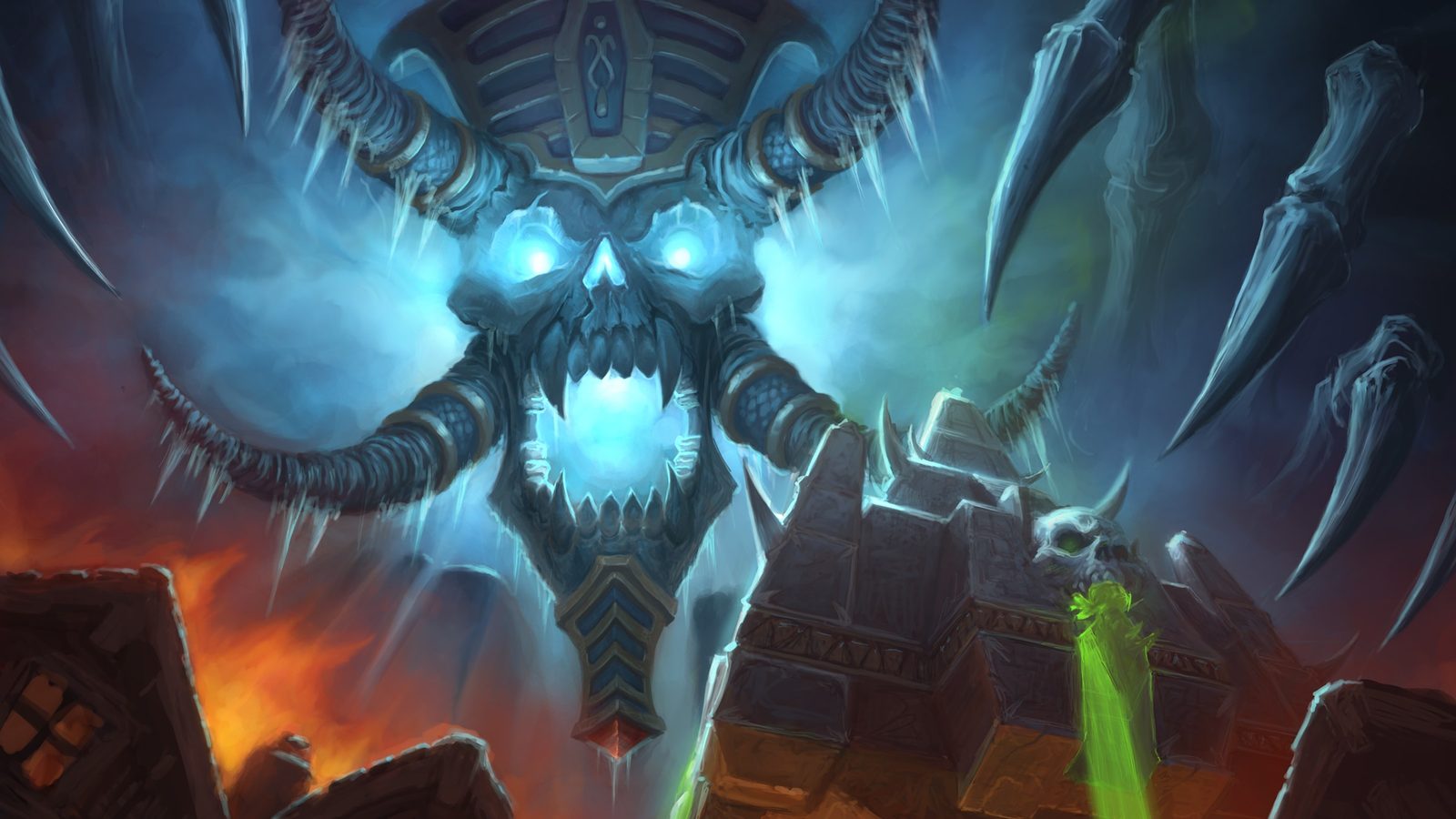
Kel’Thuzad looms above an adventurer in Naxxramas artwork
Kel’Thuzad, a powerful servant of the Scourge. He is a lich, but he is not the Lich King. Image: Blizzard Entertainment source

You do not need to memorize every name. Identify whom a person protects, whom they harmed, and what they want. The same rule helps distinguish enemy organizations that look superficially similar.

The relationships worth remembering

PeopleConnection
Terenas, Arthas, Uther, JainaKing, fallen prince, mentor, and friend from Lordaeron's tragedy
Sylvanas and ArthasRanger leader and the enemy who killed and enslaved her
Thrall, Cairne, Vol'jinLeaders whose mutual aid helped build the new Horde
Malfurion, Illidan, TyrandeDruid, his dangerous brother, and the priestess who loves Malfurion
Llane, Varian, Anduin WrynnThree generations of Stormwind's royal family
Bolvar FordragonProtector supporting Stormwind during Varian's absence
Anduin LotharEarlier war hero, a different person from young Anduin Wrynn
Maiev ShadowsongWarden associated with Illidan's imprisonment and pursuit
RexxarHero of mixed orc and ogre ancestry who helps defend the new Horde

Later biographies may describe these characters after major changes. A child prince in the original world should not be understood as already holding his much later role.

Three major threats

The Burning Legion is the demonic invasion force. Sargeras is its ultimate power; Kil'jaeden specializes in manipulation; Archimonde leads the invasion defeated at Hyjal. Hidden servants can remain after an army loses.

The Scourge is the Lich King's undead war machine. Kel'Thuzad organizes plague and necromancy; he is a lich, not the Lich King. The Cult of the Damned includes living followers who help the Scourge.

The Old Gods spread corruption through whispers, cults, and compromised creatures. Their purposes are not identical to the Legion's. Destroying a plague laboratory, closing a demon portal, and stopping an Old God ritual address different dangers.

Enemies created by society's failures

The Scarlet Crusade arose from Lordaeron's catastrophe. Its obsession with purity makes it persecute people who should be allies. Its leadership is compromised by the demon Balnazzar, acting through Saidan Dathrohan's identity. A human paladin can oppose it without betraying humanity or the Light.

The Defias Brotherhood grew from workers denied payment for rebuilding Stormwind. Edwin VanCleef turned that grievance into armed revenge and criminal power. Their treatment explains their anger; it does not excuse attacks on civilians.

The Dark Horde, associated with Rend Blackhand, is different from Thrall's Horde. In Blackrock Mountain it exists alongside Nefarian's forces, Dark Iron dwarves, and Ragnaros's servants. Rival enemies can oppose each other while threatening everyone outside.

Cooperation outside the two factions

The Argent Dawn unites different peoples against threats such as the Scourge. The Cenarion Circle brings druids and allies together to defend nature. Neutral goblin settlements support trade. Neutrality does not mean lacking interests; it means those interests do not fit neatly into the faction war.

Smaller encounters have their own context. Murlocs are aquatic humanoids, gnolls resemble hyenas, kobolds often occupy mines, quilboar resemble boars, centaur contest grasslands and deserts, and naga are serpent shaped peoples linked to ancient elven history.

A creature's people do not provide its entire moral identity. Read the quest's reason: are you defending a community, helping someone take revenge, or entering somebody else's territory?

Sources for this chapter 31
  1. Blizzard: Warcraft III: Reign of Chaos, official timeline chapter 4
  2. Warcraft Wiki: Old God
  3. Warcraft Wiki: Dragon Aspects
  4. Blizzard: The Library: Rise of the Horde
  5. Blizzard: Warcraft: Orcs & Humans, official timeline chapter 1
  6. Blizzard: Warcraft II: Tides of Darkness, official timeline chapter 2
  7. Warcraft Wiki: Ner'zhul
  8. Warcraft Wiki: Arthas Menethil
  9. Blizzard: Thrall: Then and Now
  10. Warcraft Wiki: Darkspear tribe
  11. Warcraft Wiki: Cairne Bloodhoof
  12. Warcraft Wiki: Warsong clan
  13. Warcraft Wiki: Battle of Mount Hyjal
  14. Warcraft Wiki: Invasion of Durotar
  15. Warcraft Wiki, preserving Blizzard character guide: The Characters of Warcraft: Illidan Stormrage
  16. Blizzard: Warcraft: Sylvanas
  17. Warcraft Wiki: Onyxia
  18. Warcraft Wiki, preserving Blizzard character guide: The Characters of Warcraft: Tyrande Whisperwind
  19. Warcraft Wiki, preserving Blizzard encyclopedia: The Warcraft Encyclopedia: Fandral Staghelm
  20. Warcraft Wiki: Blackrock Spire
  21. Warcraft Wiki: Moonglade
  22. Blizzard: WoW Classic: Naxxramas is Now Live!
  23. Warcraft Wiki, preserving Blizzard character guide: The Characters of Warcraft: Malfurion Stormrage
  24. Warcraft Wiki: Nefarian
  25. Warcraft Wiki: Sorcerer-Thane Thaurissan
  26. Blizzard: The Gates of Ahn'Qiraj, official timeline chapter 9
  27. Warcraft Wiki: Scarlet Crusade
  28. Warcraft Wiki: Balnazzar
  29. Warcraft Wiki: Defias Brotherhood
  30. Warcraft Wiki: Argent Dawn
  31. Warcraft Wiki: Cenarion Circle

Chapter 093 min read

Why you enter dungeons and raids

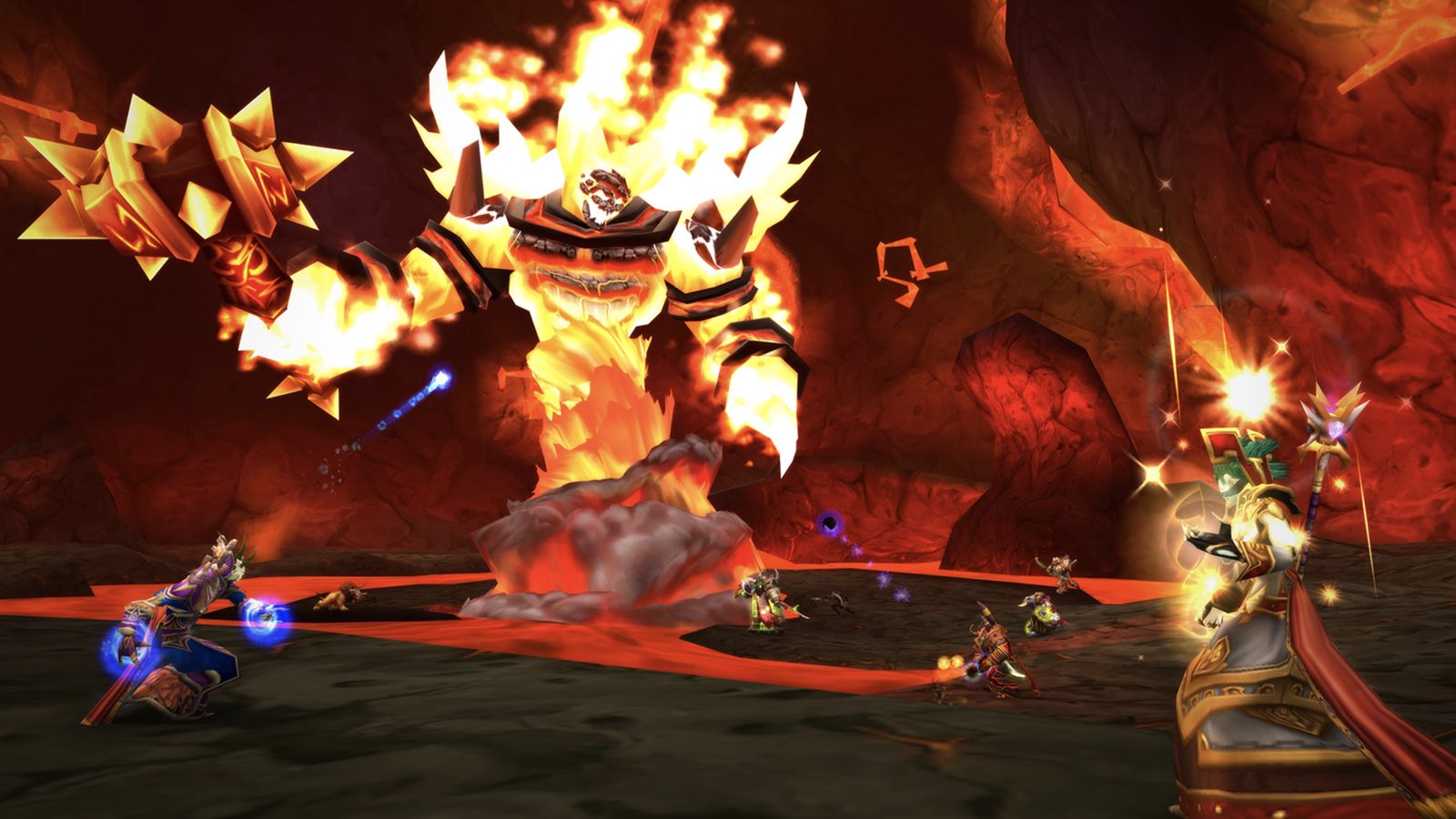
A group of adventurers confronts Ragnaros in Molten Core
Adventurers face Ragnaros in Molten Core. A raid brings players together against a threat too powerful to tackle alone. Image: Blizzard Entertainment source

A dungeon concentrates a dangerous problem into a place a small group can confront. A raid is a larger organized group adventure. Better equipment is the gameplay reward; the story explains who benefits when the threat is stopped.

These are original era story explanations, not a promise that Forever preserves every quest, encounter, or release sequence unchanged. They include historical spoilers.

Dungeons: the problem behind the entrance

The Deadmines: Westfall's insecurity is tied to the Defias Brotherhood. VanCleef's forces prepare a warship inside the mines as an instrument of revenge against Stormwind. Stopping them protects people, but does not resolve the kingdom's responsibility for unpaid workers and abandoned communities.

Wailing Caverns: The druid Naralex tried to restore the Barrens through the Emerald Dream. The Nightmare corrupted the project, the wildlife, and followers called the Druids of the Fang. Your expedition confronts a failed attempt to heal the land and seeks to save its creator.

Shadowfang Keep: The mage Arugal brought wolf like worgen into the struggle against the undead, but they proved uncontrollable. Their curse threatens Silverpine. Later playable worgen have additional history; they are not the explanation for every worgen encountered here.

Gnomeregan: This is a lost capital damaged by invasion and radiation. For a visiting adventurer it is a hazardous expedition; for a gnome it is home. Its machines and corridors belong to a society trying to recover from disaster.

Scarlet Monastery: Crusaders believe they are cleansing a corrupted land. Fanaticism makes them dangerous to other survivors. Sally Whitemane and Renault Mograine are prominent figures. Holy symbols do not guarantee that their bearers are right.

Uldaman: Ancient guardians and records connect dwarves to titan works and the earthen. Archaedas protects part of this complex. The expedition's treasure includes knowledge of where a people came from.

Maraudon and Dire Maul: Maraudon connects centaur history, Princess Theradras, and Zaetar, a son of Cenarius, with corruption affecting the land. Dire Maul reveals an elven civilization surviving through a dangerous demonic dependency.

Scholomance and Stratholme: Scholomance is a school of necromancy beneath Caer Darrow, created through the Barov family's bargain with Kel'Thuzad. Stratholme is the city from Arthas's fall. Both show that the Scourge has institutions, commanders, and training facilities, not merely wandering zombies.

Raids: what the greater threats want

AdventureWhy the enemy matters
Molten CoreRagnaros, a fire elemental lord summoned by the Dark Irons, dominates the depths of Blackrock Mountain
Onyxia's LairDeathwing's daughter manipulates Stormwind as Lady Katrana Prestor; the dragon and the court's dysfunction are connected
Blackwing LairNefarian experiments with dragon power and dangerous servants above the mountain's other threats
Zul'GurubFollowers empower Hakkar, the blood god, creating a danger other trolls also oppose
Ahn'QirajThe qiraji and Old God C'Thun threaten from behind sealed gates in Silithus
NaxxramasKel'Thuzad's floating necropolis supports plague production, undead construction, and military training

The classic investigation involving Marshal Windsor exposes Onyxia's conspiracy. The original Ahn'Qiraj war effort brings Alliance and Horde together in the Might of Kalimdor, commanded by Varok Saurfang. These stories show political discovery and cooperation alongside combat.

Ragnaros is not a Legion demon simply because he uses fire. Naxxramas is not the later assault on Arthas at Icecrown. Knowing which enemy you face keeps the larger story understandable.

Before entering, ask three questions: who lived here, who controls it now, and who needs that control to end?

Sources for this chapter 18
  1. Warcraft Wiki: Uldaman
  2. Warcraft Wiki: Gnomeregan
  3. Warcraft Wiki: Shen'dralar
  4. Blizzard: WoW Classic: Naxxramas is Now Live!
  5. Warcraft Wiki: Nefarian
  6. Warcraft Wiki: Sorcerer-Thane Thaurissan
  7. Blizzard: The Gates of Ahn'Qiraj, official timeline chapter 9
  8. Warcraft Wiki: Scarlet Crusade
  9. Warcraft Wiki: Defias Brotherhood
  10. Warcraft Wiki: Stonemasons Guild
  11. Warcraft Wiki: Wailing Caverns
  12. Warcraft Wiki: Naralex
  13. Warcraft Wiki: Shadowfang Keep (Classic)
  14. Warcraft Wiki: Maraudon
  15. Warcraft Wiki: Scholomance (Classic)
  16. Warcraft Wiki, quest dialogue: A Window to the Past
  17. Blizzard: WoW Classic 20th Anniversary Edition Phase 4
  18. Blizzard: Season of Mastery: The Ahn'Qiraj War Effort

Chapter 102 min read

Forever's additions and your first adventures

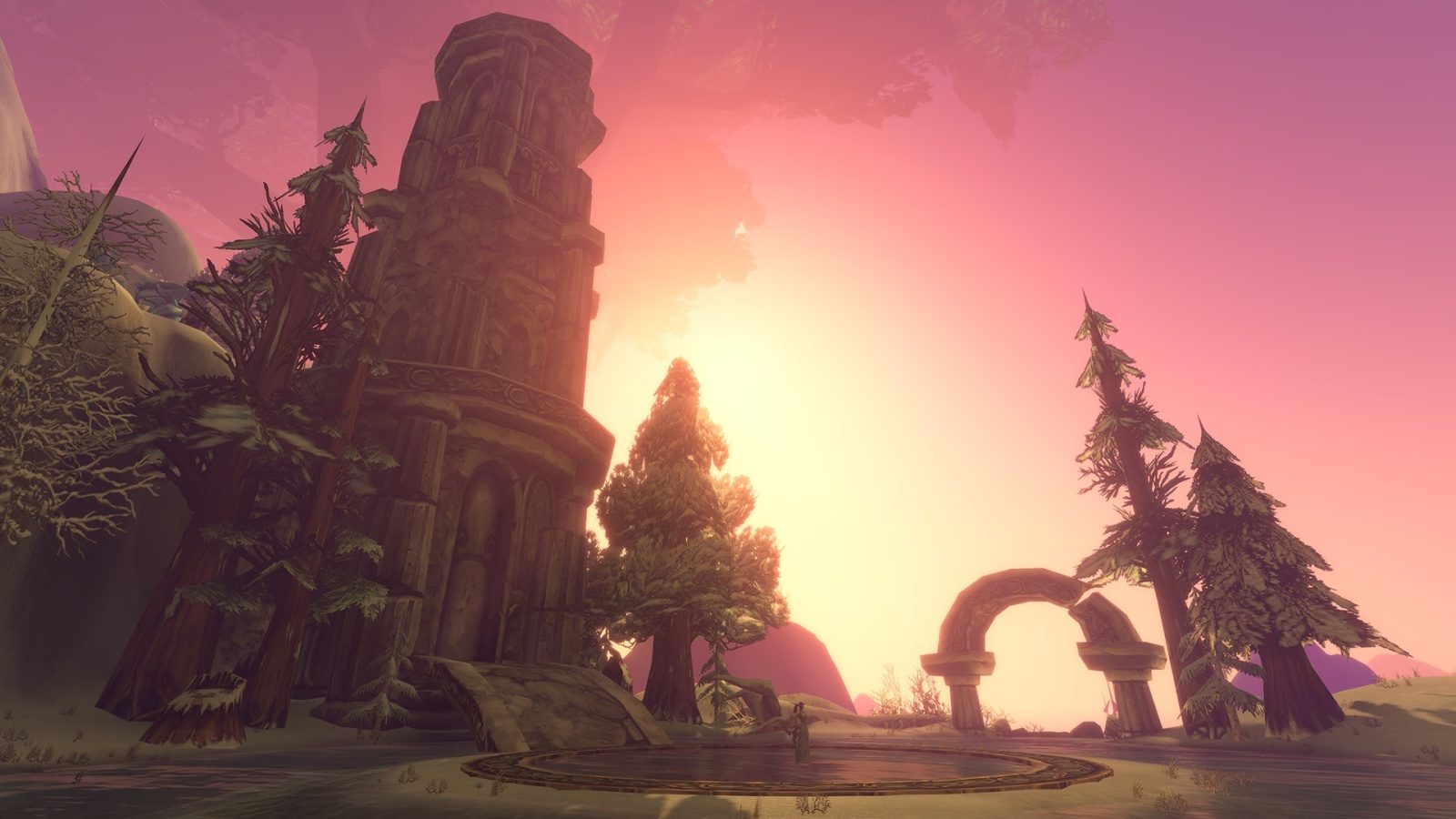
Ancient structures and trees at sunset in Forever’s Mount Hyjal setting
A view of Mount Hyjal from Forever’s zone coverage. The great battle is over; recovering the land creates new adventures. Image: Blizzard Entertainment source

Forever expands the early world with new places and stories. The following are announced premises and systems, not a walkthrough of verified quest endings.

What the new places add

PlaceStory connection
Mount HyjalRecovery after Archimonde's defeat and damage from the great battle
Shen'dralasMysteries linked to the Shen'dralar, Dire Maul, and regional centaur history
RivergladesA frontier of trade routes, struggling communities, and old grudges
Zephras IsleThe Skyborne's missing wind spirits and choices about their future

The new five player dungeons spread adventures through the levelling journey.

DungeonAnnounced levelsLocation
Hall of Thanes13 to 18Beneath Ironforge
Ruins of Lordaeron15 to 20Above Undercity
Excavation Site24 to 29Wetlands
City of Dalaran28 to 33Alterac Mountains
The Drowned City35 to 40Off Stranglethorn Vale
Krol'dok Stronghold40 to 45Riverglades
Alcaz Prison48 to 53Dustwallow Marsh
Blackmaw Hold55 to 60Azshara
Shaper's Terrace58 to 60Un'Goro Crater

The announced raids are Barrow Deeps, for ten players, and Hyjal Summit, for twenty, with new raid unlocks scheduled for 9 December 2026. Do not assume Hyjal Summit is simply the later Burning Crusade time travel raid.

The Darkspear Islands battleground pits Darkspear Raiders against the Theramore Expeditionary Force. Its announced format has fifteen players per side, levels 30 to 60, four control points, and a central flag. It draws on the factions' uneasy relationship around Dustwallow.

What to do when you start

Agree on faction and ruleset with friends first: Forever's ordinary grouping does not cross those boundaries. Follow your starting area's quests, learn your abilities, and read both the objective and its reason. Missing supplies can be the first clue to a much larger threat.

Levels and equipment increase your options. Learning to retreat, control enemies, and cooperate is equally important. Before a dungeon, repair equipment, make bag space, bring supplies, and tell the group if you are new. Understand whether you are tanking, healing, or dealing damage.

Professions let you contribute before combat. Gathering provides materials; crafting makes useful goods; trading connects people with different needs. You can build a satisfying character through exploration, stories, crafting, smaller groups, battlegrounds, or raids. These are choices rather than a compulsory checklist.

Forever's Legacy System adds account progression through challenges, perks, and rewards. Published entry routes include a first Legacy Point at level 25, reaching 150 in a qualifying primary crafting profession, or exploring the world map. Its broader purpose is to make different kinds of adventuring contribute to lasting progress; alternate characters are not required for every character advantage.

Choose the environment you enjoy

Normal supports adventuring with optional PvP participation. PvP adds hostile player danger in contested areas. Roleplay focuses on inhabiting your character; Roleplay PvP combines those interests. Hardcore is announced for later, rather than the initial launch.

For learning the story at a relaxed pace, Normal is the simplest editorial recommendation unless your friends have chosen differently. You do not need to rush toward the most demanding activity. Understanding one region and finding companions you enjoy is a useful first goal.

Sources for this chapter 5
  1. Blizzard: World of Warcraft: Forever What's Next Panel Recap
  2. Blizzard: Explore the New Dungeons of World of Warcraft: Forever
  3. Blizzard: Battle for the Darkspear Islands in World of Warcraft: Forever
  4. Blizzard: Choose Your Ruleset in World of Warcraft: Forever, updated October 22
  5. Blizzard: Get to Know the World of Warcraft: Forever Legacy System

Chapter 113 min read

Optional: where the later expansions fit

Heroes battle amid purple Void energy in Midnight promotional artwork
Midnight represents the much later Modern WoW story. These events are separate from your Forever character’s starting era. Image: Blizzard Entertainment source

Major spoilers. These are later Modern WoW events, not your Forever character's recent past. The years below are real world release years. Read this chapter if you remember an old villain or location and want to place it.

From Outland to the Legion

The Burning Crusade, 2007: The Dark Portal reopens. Adventurers enter Outland to confront Illidan's forces and demonic threats. Draenei led by Velen join the Alliance; blood elves join the Horde. The campaign eventually confronts the Legion's attempt to exploit the Sunwell. Its stakes follow directly from the ruined orc homeworld and devastated elven homeland.

Wrath of the Lich King, 2008: War moves to Northrend. At Icecrown Citadel, Tirion Fordring and the heroes defeat Arthas and shatter Frostmourne. Bolvar Fordragon becomes the next Lich King to contain the remaining undead. Arthas's defeat ends one ruler's reign, not the existence of the Scourge. Death knights become playable.

Cataclysm, 2010: Deathwing returns and physically reshapes Azeroth. The Twilight's Hammer cult supports catastrophic upheaval. Familiar regions change, explaining why later memories of the map differ from the original world. Worgen join the Alliance and goblins join the Horde as playable peoples.

Mists of Pandaria, 2012: The factions bring their war to Pandaria. Destructive emotions empower the sha, rooted in ancient evil. Warchief Garrosh Hellscream, Grom's son, becomes increasingly brutal, including destroying Theramore. Horde rebels and the Alliance eventually besiege Orgrimmar and defeat him. Pandaren and the monk class join the playable roster.

Warlords of Draenor, 2014: Garrosh reaches an alternate Draenor and helps create the Iron Horde, which threatens Azeroth. Heroes follow Khadgar to stop it; Thrall kills Garrosh. This is another version of Draenor, not the original Outland restored. The alternate world's Gul'dan becomes a major threat.

Legion, 2016: Another demonic invasion brings heroes to the Broken Isles, powerful artifact weapons, and class orders. Demon hunters become playable, and Illidan returns. The campaign reaches Argus, the draenei's former home and a Legion stronghold. At its end Sargeras wounds Azeroth with a gigantic sword, and Azerite emerges from the wound.

The road to the modern story

Battle for Azeroth, 2018: Rivalry over Azerite intensifies war. Sylvanas leads the Horde in burning Teldrassil; the Alliance attacks Lordaeron, and Undercity is devastated. Jaina confronts her family's history in Kul Tiras while the Horde seeks support from Zandalar. Saurfang challenges Sylvanas and dies; she abandons her leadership. The Old God N'Zoth is also defeated.

Shadowlands, 2020: Sylvanas defeats Bolvar and breaks the Helm of Domination, opening the way into the afterlife. Souls are being diverted to the Maw as Zovaal, the Jailer, pursues control. Anduin is dominated and used as a weapon. Sylvanas eventually turns against the Jailer; after his defeat she faces judgment and atonement. Anduin's trauma continues into later stories.

Dragonflight, 2022: The Dragon Isles awaken. The dragonflights seek renewal while the Primal Incarnates challenge the titan shaped order. Fyrakk threatens the new World Tree Amirdrassil; Vyranoth rejects his destructive course. The dracthyr, created by Neltharion, awaken, and evokers become playable. The Void associated Xal'atath, the Harbinger, becomes increasingly important.

The War Within, 2024: The Radiant Song draws heroes into Khaz Algar, with earthen, underground Arathi, and the nerubian kingdom of Azj-Kahet. Xal'atath destroys Dalaran and uses the Dark Heart to absorb its power. Alleria Windrunner, Anduin, and Magni confront the consequences. The wider campaign reaches goblin politics and the devastated world K'aresh.

Midnight, 2026: The conflict with Xal'atath reaches Quel'Thalas and the Sunwell. Arator, son of Alleria Windrunner and Turalyon, connects the modern story to the old wars. The War Within, Midnight, and the announced The Last Titan form the Worldsoul Saga, concerning the powerful being within Azeroth. Its final outcome is not supplied here.

Forever expands the earlier world; Modern WoW continues the later saga. Do not assume every Modern event must eventually unfold identically in Forever.

Sources for this chapter 25
  1. Blizzard: Burning Crusade Classic: The Story So Far
  2. Blizzard: Fall of the Lich King, official timeline chapter 18
  3. Blizzard: Cataclysm, official timeline chapter 19
  4. Blizzard: Mists of Pandaria, official timeline chapter 23
  5. Blizzard: Siege of Orgrimmar, official timeline chapter 27
  6. Blizzard: Warlords of Draenor, official timeline chapter 28
  7. Blizzard: Hellscream, prequel to Warlords of Draenor
  8. Blizzard: World of Warcraft: Legion launch notes
  9. Blizzard: The Tomb of Sargeras, official timeline chapter 32
  10. Blizzard: Patch 7.3 Preview: The Campaign for Argus
  11. Blizzard: It's Time: Heed the Speaker's Call
  12. Blizzard: Battle for Azeroth, official timeline chapter 34
  13. Blizzard: Battle for Azeroth: The Story So Far, Week 1
  14. Blizzard: Visions of N'Zoth, official timeline chapter 37
  15. Blizzard: Shadowlands, official timeline chapter 38
  16. Blizzard: Chains of Domination, official timeline chapter 39
  17. Blizzard: Shadowlands: Eternity's End content update
  18. Blizzard: Eternity's End, official timeline chapter 40
  19. Blizzard: Dragonflight, official timeline chapter 41
  20. Blizzard: The Dark Heart Content Update
  21. Blizzard: The War Within, official timeline chapter 45
  22. Blizzard: Gamescom 2025 Systems Download, story recap
  23. Blizzard: World of Warcraft: Midnight Now Live!
  24. Blizzard: World of Warcraft: What's Next, BlizzCon 2023
  25. Blizzard: Everything Announced at BlizzCon 2026 Opening Ceremony

Chapter 124 min read

Game timeline and your quick reference

An orc and human knight face one another in Warcraft Remastered Battle Chest artwork
Warcraft Remastered Battle Chest artwork recalls the strategy games that began the story, before WoW put you inside it as one adventurer. Image: Blizzard Entertainment source

You are ready once you understand your character's community, the immediate problem, and why someone needs help. Use this chapter when an unfamiliar word interrupts the story.

The games in story order

Release year means the real world year the game came out, not a date inside Azeroth. This first table follows the story. A new game can revisit an earlier period, which is exactly what Forever does.

Before these games, the titans and Old Gods shaped the world's ancient conflicts. The War of the Ancients and Sundering then transformed elven civilization and Azeroth's geography. Those are background history, explained in Chapter 2.

Story orderGame or campaignReleasedWhat happens
1Warcraft: Orcs & Humans1994First War: orcs invade and Stormwind falls
2Warcraft II: Tides of Darkness1995Second War: the Alliance forms and defeats the invading Horde
3Warcraft II: Beyond the Dark Portal1996The war reaches Draenor; its destruction leaves Outland
4Warcraft III: Reign of Chaos2002Third War: Arthas falls, Lordaeron collapses, and allies defeat Archimonde at Hyjal
5Warcraft III: The Frozen Throne2003Arthas reaches the Lich King; Sylvanas and the Forsaken establish their independence
6Warcraft III Reforged: Forsaken Kingdom2026Revisits the Forsaken's origins and bridges their story into early WoW
7World of Warcraft, original or Vanilla2004You become an adventurer in the recovering world, facing regional threats and original raids
Same early eraWorld of Warcraft: Forever2026Returns to the period after Forsaken Kingdom and before Molten Core, adding new stories and Skyborne

The Warcraft I, II, and III games are strategy games: you command armies. WoW puts you inside the world as one character. Forsaken Kingdom revisits and expands part of the transition around The Frozen Throne; these chapters are not all completely separate blocks of time.

Forever is not the next story chapter after Midnight. It expands the early world alongside Modern WoW, whose later expansion sequence is below. You do not need to play every previous game before starting.

The Modern WoW expansion timeline

These expansions continue the original WoW story. Their release order broadly follows their main campaign order, although some adventures involve time travel. Chapter 11 explains their plots and major spoilers.

Release yearWoW expansionMain story focus
2007The Burning CrusadeOutland, Illidan, and the Sunwell
2008Wrath of the Lich KingNorthrend and the confrontation with Arthas
2010CataclysmDeathwing reshapes Azeroth
2012Mists of PandariaPandaria, faction war, and Garrosh
2014Warlords of DraenorAn alternate Draenor and the Iron Horde
2016LegionDemonic invasion, Argus, and Azeroth's wound
2018Battle for AzerothRenewed faction war and Old God threats
2020ShadowlandsThe afterlife, Sylvanas, and the Jailer
2022DragonflightDragon Isles and the dragonflights' renewal
2024The War WithinKhaz Algar, Xal'atath, and Azeroth's Worldsoul
2026MidnightQuel'Thalas, the Sunwell, and the Void conflict
Announced; date not given hereThe Last TitanPlanned conclusion of the Worldsoul Saga

Classic and remasters: revisiting earlier games

Release yearEditionWhere it belongs
2019WoW ClassicRevisits original WoW; later Classic releases revisit expansions
2020Warcraft III: ReforgedRemastered Warcraft III and The Frozen Throne, rather than a sequel after Modern WoW
2024Warcraft I Remastered and Warcraft II RemasteredUpdated editions of the early strategy games

Hearthstone and Warcraft Rumble are other games using Warcraft characters and settings. They are not required chapters in the main story sequence above. Likewise, a Classic rerelease does not move the original expansion's events later in the fictional timeline.

Words you will hear in a group

TermPlain English
NPC / quest / zoneGame controlled character / task / named region
Instance / bossSeparate copy of an area / major encounter
Dungeon / raidSmaller group expedition / larger organized adventure
Tank / healer / DPSManage enemy attention / keep allies alive / deal damage
Aggro or threatWho an enemy wants to attack
PullStart a fight with selected enemies
Crowd control / interruptRestrict an enemy / stop a spell being cast
CooldownWait before an ability can be used again
Buff / debuffHelpful effect / harmful effect
Wipe / lootGroup defeat / items gained
Talent or buildChoices shaping how your class works
Reputation / guildStanding with an organization / player community
Alt / transmogAdditional character / change to displayed equipment appearance
AttunementRequirements that unlock access to some content
PvE / PvP / RPComputer controlled opponents / player opponents / roleplay
Vanilla / Modern / ClassicOriginal era / continuing expansions / revisited earlier versions

Common questions

Are Horde players choosing the bad side? Both coalitions contain people defending homes and people committing wrongs. Judge specific actions, not every character by their banner.

Why do we fight our own race? Race and political allegiance are different. The Scarlet Crusade, Dark Horde, and separate troll powers are examples.

Why are undead fighting undead? The Forsaken escaped the Scourge's control. Sharing a condition does not mean sharing a ruler.

Are demons, Old Gods, and undead one enemy? No. Their histories sometimes connect, but they have different origins, leaders, and goals.

Is there one main quest, and must I raid? The original world tells connected regional stories. Raiding is one possible activity, alongside exploration, crafting, smaller adventures, and PvP.

Why can bosses be defeated repeatedly? Repeatable gameplay does not always mean the historical event literally happens every week.

Why do online explanations disagree? Warcraft has revised and expanded its lore. Check whether a source describes the original game, a later expansion, another game mode, or an adaptation. The film and Hearthstone are not substitutes for the game continuity used here.

The shortest useful reading route

Before playing, read Chapters 1, 5, and 10, adding 6 for Skyborne and 7 for class choices. Chapters 2 to 4 give the historical foundation; 8 and 9 explain the people and group adventures. Chapter 11 is optional later history.

You do not need to know every future revelation. Your character is allowed to discover Azeroth along with you.

Sources for this chapter 22
  1. Blizzard: World of Warcraft: Forever Goes Live Globally November 4!
  2. Blizzard: Warcraft III: Reign of Chaos, official timeline chapter 4
  3. Blizzard: Warcraft: Orcs & Humans, official timeline chapter 1
  4. Blizzard: Warcraft II: Tides of Darkness, official timeline chapter 2
  5. Blizzard: Warcraft III: The Frozen Throne, official timeline chapter 5
  6. Blizzard: Warcraft III Reforged: Forsaken Kingdom What's Next Panel Recap
  7. Blizzard: Fall of the Lich King, official timeline chapter 18
  8. Blizzard: Cataclysm, official timeline chapter 19
  9. Blizzard: Mists of Pandaria, official timeline chapter 23
  10. Blizzard: Warlords of Draenor, official timeline chapter 28
  11. Blizzard: World of Warcraft: Legion launch notes
  12. Blizzard: Battle for Azeroth, official timeline chapter 34
  13. Blizzard: Shadowlands, official timeline chapter 38
  14. Blizzard: Dragonflight, official timeline chapter 41
  15. Blizzard: The War Within, official timeline chapter 45
  16. Blizzard: World of Warcraft: Midnight Now Live!
  17. Blizzard: World of Warcraft: What's Next, BlizzCon 2023
  18. Blizzard: Everything Announced at BlizzCon 2026 Opening Ceremony
  19. Warcraft Wiki: Warcraft universe: game release history
  20. Blizzard: Warcraft III: Reforged Releases on January 28, 2020
  21. Blizzard: World of Warcraft Classic Is Now Live!
  22. Blizzard: Catch up on the Future of Warcraft with the Warcraft 30th Anniversary Direct!

Reference103 sources

Sources and editorial notes

This compact edition reduces the main text from approximately 13,300 to 7,100 words, including the glossary and optional expansion history, excluding sources. It combines repeated explanations and keeps the cause and consequence of each essential event.

The original 99 reference records are retained, with four additional sources for the game timeline. Each chapter links its relevant source group. Sources describe different eras: original game examples are historical context, not guarantees of Forever availability or identical scripting. Announced dates, class options, and systems reflect the research snapshot. Later Modern WoW biographies do not override original era roles.

Launch timing, Skyborne details, and the full race and class roster were rechecked on 3 November 2026 using Blizzard's announcements. The game timeline distinguishes original release years from story placement. Most historical references retain their original 2 November access date. This is an editorial condensation, not a new audit of all 99 references.

Show the full reference list 103
  1. Blizzard: World of Warcraft: Forever Goes Live Globally November 4!
  2. Blizzard: Return to Azeroth in World of Warcraft: Forever
  3. Blizzard: Warcraft III: Reign of Chaos, official timeline chapter 4
  4. Blizzard: World of Warcraft: Forever Deep Dive Panel Recap
  5. Warcraft Wiki: Old God
  6. Warcraft Wiki, preserving Blizzard history: War of the Ancients, original WoW account
  7. Warcraft Wiki, preserving Blizzard encyclopedia: The Warcraft Encyclopedia: Azshara
  8. Warcraft Wiki: High elf
  9. Warcraft Wiki: Dragon Aspects
  10. Blizzard: The Story So Far: Take Wing Through Time with the Dragon Aspects
  11. Blizzard: The Library: Rise of the Horde
  12. Blizzard: Warcraft: Orcs & Humans, official timeline chapter 1
  13. Warcraft Wiki: First War
  14. Blizzard: Warcraft II: Tides of Darkness, official timeline chapter 2
  15. Warcraft Wiki: Second War
  16. Warcraft Wiki: Ner'zhul
  17. Warcraft Wiki: Arthas Menethil
  18. Warcraft Wiki: Culling of Stratholme
  19. Warcraft Wiki: Scourge invasion of Quel'Thalas
  20. Blizzard: Thrall: Then and Now
  21. Warcraft Wiki: Darkspear tribe
  22. Warcraft Wiki: Cairne Bloodhoof
  23. Warcraft Wiki: Warsong clan
  24. Warcraft Wiki: Battle of Mount Hyjal
  25. Blizzard: Original World of Warcraft game manual
  26. Warcraft Wiki: Invasion of Durotar
  27. Warcraft Wiki, preserving Blizzard character guide: The Characters of Warcraft: Illidan Stormrage
  28. Blizzard: Burning Crusade Classic: The Story So Far
  29. Blizzard: Warcraft III: The Frozen Throne, official timeline chapter 5
  30. Blizzard: Warcraft: Sylvanas
  31. Blizzard: Dark Mirror, short story
  32. Blizzard: Warcraft III Reforged: Forsaken Kingdom What's Next Panel Recap
  33. Warcraft Wiki: Onyxia
  34. Blizzard: Taking Your First Steps in World of Warcraft Classic
  35. Warcraft Wiki: War of the Three Hammers
  36. Warcraft Wiki: Uldaman
  37. Warcraft Wiki: Gnomeregan
  38. Warcraft Wiki, preserving Blizzard character guide: The Characters of Warcraft: Tyrande Whisperwind
  39. Warcraft Wiki, preserving Blizzard encyclopedia: The Warcraft Encyclopedia: Fandral Staghelm
  40. Warcraft Wiki: Sen'jin Village
  41. Blizzard: Create the Hero You Want to Be in World of Warcraft: Forever
  42. Warcraft Wiki: Shen'dralar
  43. Blizzard: WoW: Forever Meet the New Skyborne
  44. Warcraft Wiki: Blackrock Spire
  45. Blizzard: WoW Classic Primer for New Players
  46. Warcraft Wiki: Moonglade
  47. Blizzard: Forever class deep dive: Hunter and Druid
  48. Blizzard: Forever class deep dive: Priest and Warrior
  49. Blizzard: Forever class deep dive: Rogue and Warlock
  50. Blizzard: Forever class deep dive: Mage and Shaman
  51. Blizzard: Forever class deep dive: Paladin
  52. Blizzard: WoW Classic: Naxxramas is Now Live!
  53. Warcraft Wiki, preserving Blizzard character guide: The Characters of Warcraft: Malfurion Stormrage
  54. Warcraft Wiki: Nefarian
  55. Warcraft Wiki: Sorcerer-Thane Thaurissan
  56. Blizzard: The Gates of Ahn'Qiraj, official timeline chapter 9
  57. Warcraft Wiki: Scarlet Crusade
  58. Warcraft Wiki: Balnazzar
  59. Warcraft Wiki: Defias Brotherhood
  60. Warcraft Wiki: Argent Dawn
  61. Warcraft Wiki: Cenarion Circle
  62. Warcraft Wiki: Stonemasons Guild
  63. Warcraft Wiki: Wailing Caverns
  64. Warcraft Wiki: Naralex
  65. Warcraft Wiki: Shadowfang Keep (Classic)
  66. Warcraft Wiki: Maraudon
  67. Warcraft Wiki: Scholomance (Classic)
  68. Warcraft Wiki, quest dialogue: A Window to the Past
  69. Blizzard: WoW Classic 20th Anniversary Edition Phase 4
  70. Blizzard: Season of Mastery: The Ahn'Qiraj War Effort
  71. Blizzard: World of Warcraft: Forever What's Next Panel Recap
  72. Blizzard: Explore the New Dungeons of World of Warcraft: Forever
  73. Blizzard: Battle for the Darkspear Islands in World of Warcraft: Forever
  74. Blizzard: Choose Your Ruleset in World of Warcraft: Forever, updated October 22
  75. Blizzard: Get to Know the World of Warcraft: Forever Legacy System
  76. Blizzard: Fall of the Lich King, official timeline chapter 18
  77. Blizzard: Cataclysm, official timeline chapter 19
  78. Blizzard: Mists of Pandaria, official timeline chapter 23
  79. Blizzard: Siege of Orgrimmar, official timeline chapter 27
  80. Blizzard: Warlords of Draenor, official timeline chapter 28
  81. Blizzard: Hellscream, prequel to Warlords of Draenor
  82. Blizzard: World of Warcraft: Legion launch notes
  83. Blizzard: The Tomb of Sargeras, official timeline chapter 32
  84. Blizzard: Patch 7.3 Preview: The Campaign for Argus
  85. Blizzard: It's Time: Heed the Speaker's Call
  86. Blizzard: Battle for Azeroth, official timeline chapter 34
  87. Blizzard: Battle for Azeroth: The Story So Far, Week 1
  88. Blizzard: Visions of N'Zoth, official timeline chapter 37
  89. Blizzard: Shadowlands, official timeline chapter 38
  90. Blizzard: Chains of Domination, official timeline chapter 39
  91. Blizzard: Shadowlands: Eternity's End content update
  92. Blizzard: Eternity's End, official timeline chapter 40
  93. Blizzard: Dragonflight, official timeline chapter 41
  94. Blizzard: The Dark Heart Content Update
  95. Blizzard: The War Within, official timeline chapter 45
  96. Blizzard: Gamescom 2025 Systems Download, story recap
  97. Blizzard: World of Warcraft: Midnight Now Live!
  98. Blizzard: World of Warcraft: What's Next, BlizzCon 2023
  99. Blizzard: Everything Announced at BlizzCon 2026 Opening Ceremony
  100. Warcraft Wiki: Warcraft universe: game release history
  101. Blizzard: Warcraft III: Reforged Releases on January 28, 2020
  102. Blizzard: World of Warcraft Classic Is Now Live!
  103. Blizzard: Catch up on the Future of Warcraft with the Warcraft 30th Anniversary Direct!

Next in the seriesStory 02

Leveling Up in Forever

How experience really works in Forever, the bonuses that stack, why every dungeon is worth one clear, and zone-by-zone routes for Alliance, Horde and Skyborne characters.